
Premier League
Fluffy Banana Pancakes Recipe for an Easy Breakfast

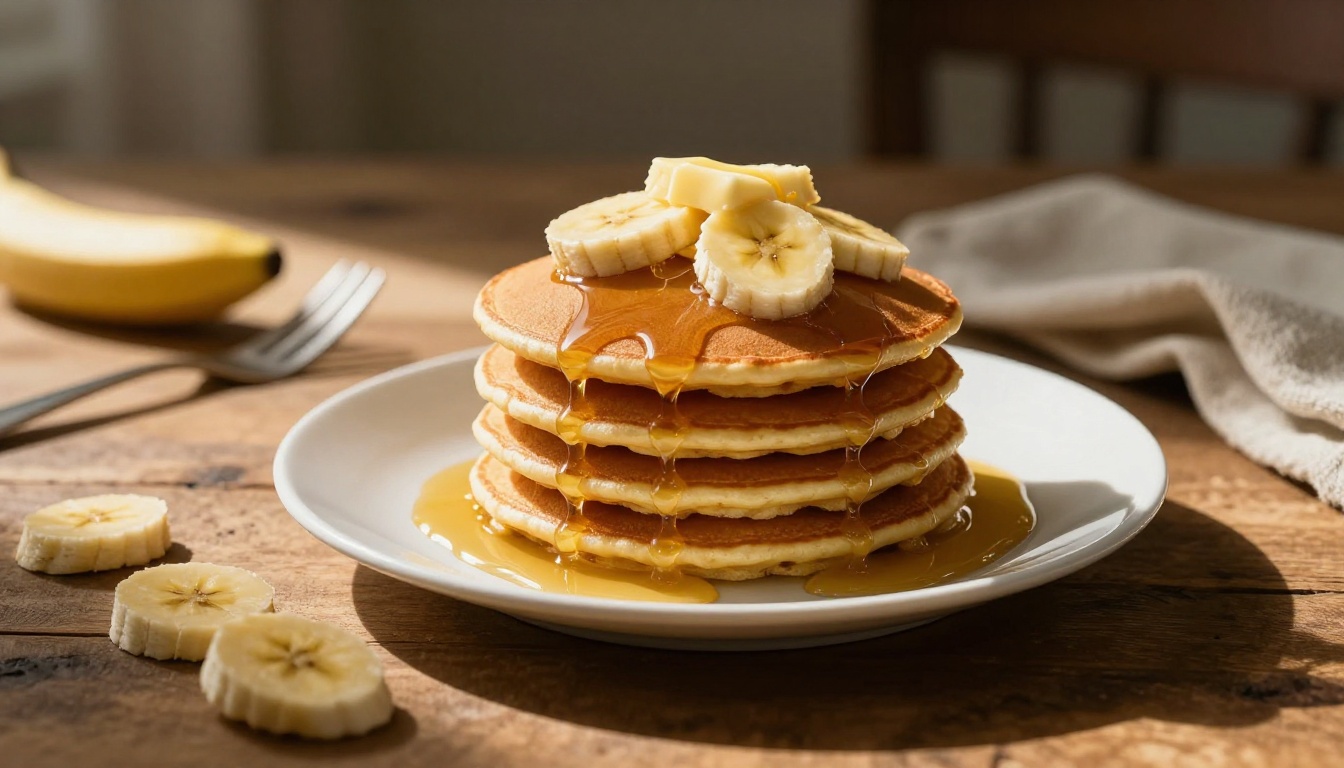
Warm, fluffy banana pancakes turn a few pantry basics into a breakfast that feels special without slowing down your morning. Very ripe bananas bring natural sweetness and moisture, while baking powder gives each pancake a soft, lifted center.
This fluffy banana pancakes recipe for an easy breakfast takes about 25 minutes from bowl to plate. With a thick, lightly mashed batter and steady heat, you’ll get golden pancakes that hold up to syrup, fruit, or a spoonful of yogurt.
Key Takeaways
- Use bananas with plenty of brown spots for the sweetest flavor and easiest mash.
- Keep the batter thick but pourable, then mix only until the flour disappears.
- Cook smaller pancakes over medium-low heat for soft centers and even browning.
- Wait for bubbles and dry-looking edges before flipping each pancake once.
- Add mix-ins lightly so the batter cooks through without becoming heavy.
Fluffy Banana Pancakes Recipe for an Easy Breakfast
Yield: 8 to 10 pancakes Prep time: 10 minutes Cook time: 15 minutes Total time: About 25 minutes
What you need for the pancake batter
Gather these ingredients before heating the pan:
- 2 very ripe medium bananas
- 1 1/2 cups all-purpose flour
- 2 teaspoons baking powder
- 1 tablespoon granulated sugar
- 1/2 teaspoon salt
- 1 teaspoon ground cinnamon, optional
- 1 cup milk
- 2 large eggs
- 3 tablespoons melted butter or neutral oil, plus more for the pan
- 1 teaspoon vanilla extract
Very ripe bananas, ideally yellow fruit with brown freckles or a mostly brown peel, mash easily and give the batter its best flavor. They also add enough moisture that the batter should look thick, yet still fall slowly from a spoon.
All-purpose flour gives the most dependable pancake texture. Baking powder creates lift, while eggs provide structure so the pancakes don’t collapse. Milk loosens the mixture, and melted butter adds tenderness and a richer flavor.
Dairy milk works well, although unsweetened almond milk or oat milk can replace it. You can also make a buttermilk-style liquid by stirring 1 tablespoon of vinegar into the milk and letting it sit for about 10 minutes. Use neutral oil if you prefer not to cook with butter.
How to mix and cook the pancakes
Mash the bananas in a large bowl until mostly smooth, leaving a few small pieces for texture. In a second bowl, whisk together the flour, baking powder, sugar, salt, and optional cinnamon.
Whisk the milk, eggs, melted butter, and vanilla into the mashed bananas. Pour the wet mixture into the dry ingredients, then fold gently until no dry flour remains. A few lumps are welcome. Overmixing develops the flour’s gluten and can make pancakes chewy.
Let the batter rest for 5 to 10 minutes while a nonstick skillet or griddle heats over medium-low to medium heat. Lightly grease the surface, then use about 1/4 cup batter for each pancake.
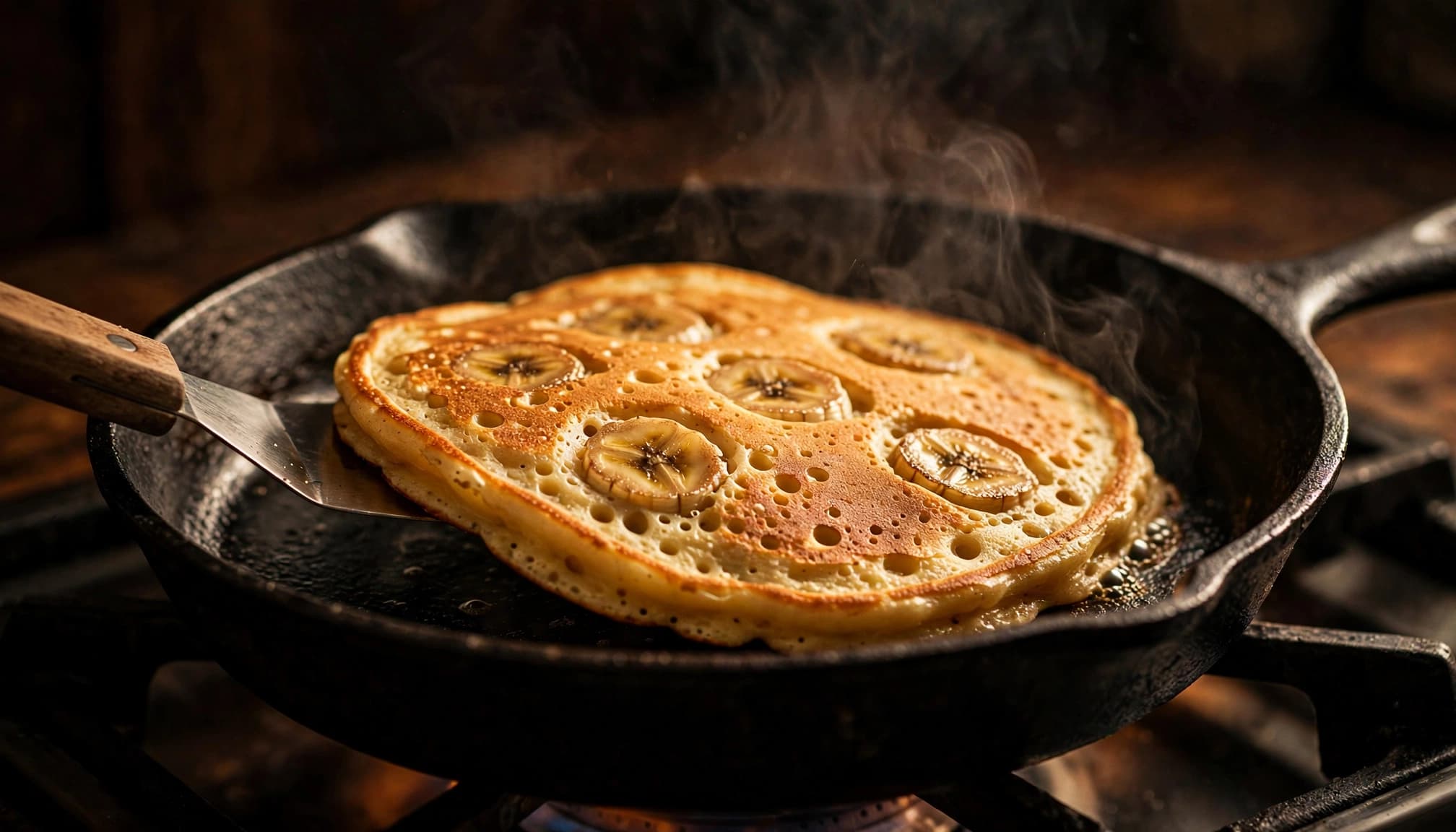
Cook for 2 to 3 minutes, until bubbles rise through the surface and the edges look set. Flip once, then cook the second side for 1 to 2 minutes. Serve the pancakes as they finish, or keep them warm while you cook the remaining batter.
How to Make Banana Pancakes Light, Tall, and Golden
A fluffy banana pancake starts with restraint. Too much banana makes the batter heavy and wet, while too much flour turns it stiff. Stick to two medium bananas and measure flour by spooning it into a cup, then leveling the top.
Batter thickness matters as much as the ingredient list. If it flows across the pan like crepe batter, stir in flour 1 tablespoon at a time. If it won’t spread at all, add milk 1 tablespoon at a time. Small pancakes cook more evenly and stay taller than oversized ones.
Check the pan before adding the first portion. A drop of water should sizzle and move across the surface, rather than vanish the instant it lands. A griddle around 325°F to 350°F, or a steady medium-low stovetop setting, gives banana batter time to cook before its sugars darken.
The best way to flip without flattening the pancakes
Wait until bubbles have risen through the middle and the outer edges look slightly dry. Slide a wide spatula under the pancake, then turn it with one gentle motion.
Don’t press the pancake after flipping. Pressing forces out the air created by baking powder, leaving a flatter, tighter crumb. If the pancakes are thick, lower the heat slightly and allow an extra minute for the center to finish.
How to keep each batch warm and tender
Set finished pancakes on a baking sheet in a 200°F oven while the rest cook. Arrange them in a single layer when possible, or stack them loosely.
Avoid tightly covering the pancakes with foil. Trapped steam softens their browned surface and can make them soggy. Also, grease the skillet only when it looks dry, because excess butter can create dark, patchy spots.
For extra lift, separate the eggs first. Beat the whites until foamy with soft peaks, then fold them into the finished batter with a light hand. This step adds height, but the standard method still produces tender pancakes.
Easy Toppings, Variations, and Smart Substitutions
Banana pancakes are easy to adapt without turning breakfast into a long project. Start with one topping that adds freshness or crunch, then add syrup or another creamy element if you want a fuller plate.
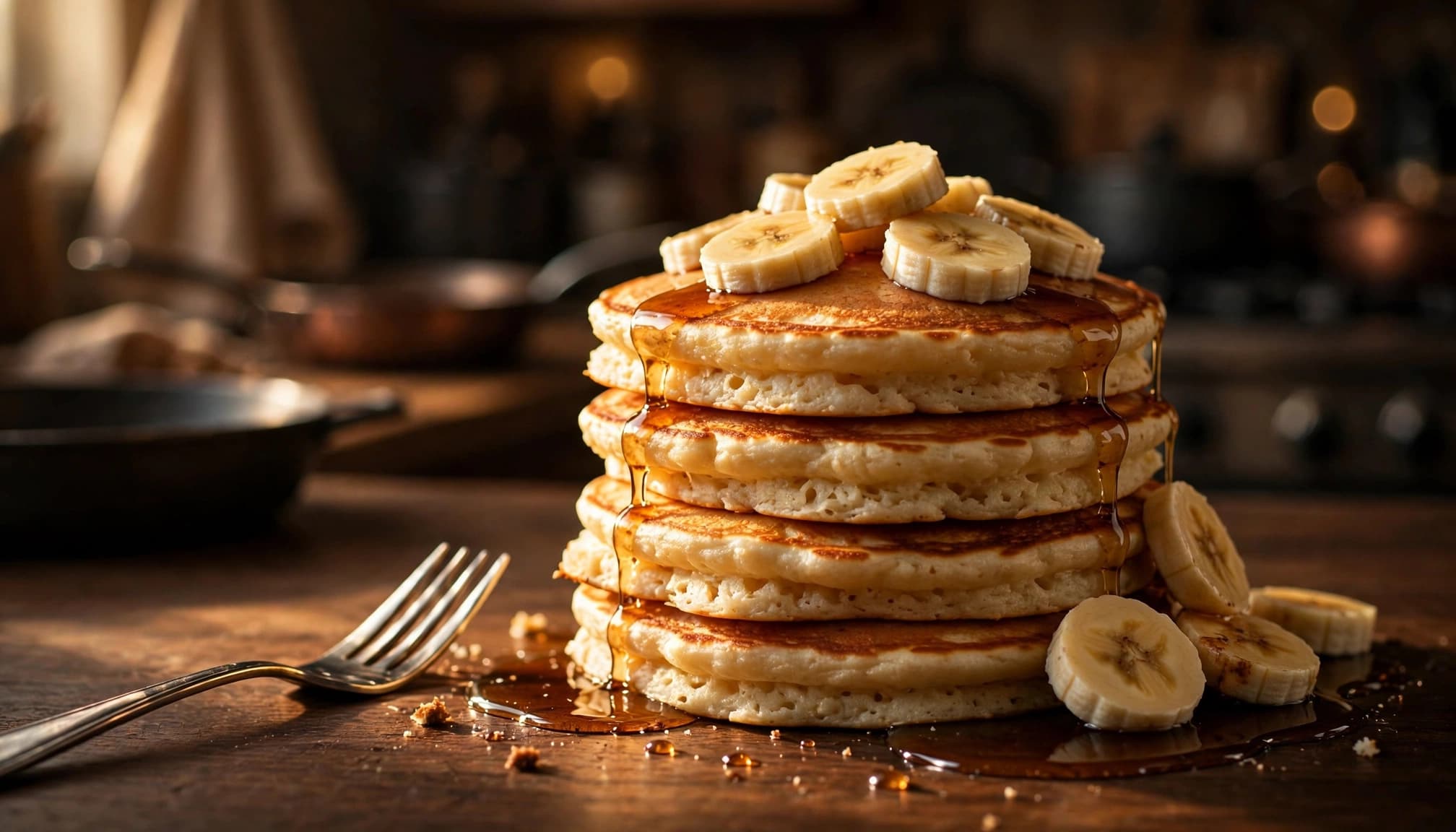
Maple syrup and sliced banana remain a classic pairing. Berries cut through the sweetness, while toasted walnuts or pecans add a welcome crisp bite. Greek yogurt, a dusting of powdered sugar, or a spoonful of peanut butter also work well.
Simple ways to customize banana pancakes
Stir a pinch of cinnamon or nutmeg into the dry ingredients for warmth. Shredded coconut adds a mild tropical note, while chopped walnuts bring texture.
For chocolate chips or nuts, scatter a small amount over each pancake after pouring the batter into the pan. That approach distributes them better and prevents the mix-ins from sinking to the bowl’s bottom. Keep additions modest, because a crowded batter cooks unevenly.
Yogurt adds tang and protein at the table. Nut butter provides richness, although it works best as a topping or a light swirl rather than a large amount mixed into the batter.
Ingredient swaps that still work
Replace regular milk with unsweetened almond or oat milk. Neutral oil can replace melted butter in the same amount.
For an egg-free batch, combine 1 tablespoon ground flaxseed with 3 tablespoons water for each egg. Let it thicken before mixing it in. The pancakes may be a little denser, so keep the heat low and give them extra time.
A gluten-free all-purpose flour blend can work, though it may need a longer rest before cooking and won’t rise exactly like wheat flour. Banana helps bind the mixture, but it doesn’t replace the structure of eggs or the lift from baking powder.
Common Banana Pancake Problems and How to Fix Them
A few small adjustments usually rescue a disappointing batch. Watch the batter’s texture and the pace of browning, rather than relying only on the clock.
Why are my pancakes dense, flat, or chewy?
Overmixing is the usual cause. Fold only until the ingredients combine, and leave the batter slightly lumpy. Check that your baking powder is fresh, because weak leavening won’t create a light center.
Packed flour can also make batter too thick and heavy. Spoon flour into the measuring cup instead of scooping directly from the bag. Finally, don’t add extra banana for a stronger flavor, since excess fruit adds weight and moisture.
Why are they burnt outside but raw in the middle?
Bananas brown quickly because their natural sugars caramelize fast. Lower the heat to medium-low, use 1/4 cup portions, and allow the pan a minute to settle before starting the next batch.
Wait for bubbles and a set-looking center before flipping. If the outside darkens too fast, the pan is too hot. If the pancakes stay pale and take too long, raise the heat slightly.
A deeply browned pancake isn’t always fully cooked. The set center and rising bubbles are better signals than color alone.
Frequently Asked Questions
Can I make the batter the night before?
It’s better to cook the batter soon after mixing. Baking powder begins working once it meets liquid, so an overnight rest can reduce the pancakes’ lift. For a faster morning, measure the dry ingredients ahead and refrigerate the mashed banana mixture separately.
Can I freeze banana pancakes?
Yes. Cool the pancakes completely, freeze them in a single layer until firm, then transfer them to a freezer-safe bag. Reheat them in a toaster, skillet, or oven until hot through.
Can I use frozen bananas?
Frozen bananas work after they thaw completely. Drain off excess liquid before mashing, since thawed fruit releases more moisture than fresh bananas. If the batter becomes thin, add flour 1 tablespoon at a time.
Why do my pancakes stick to the pan?
A skillet that’s too cool often causes sticking. Preheat it first, then apply a thin layer of butter or oil. Wipe away excess fat between batches if it begins to smoke or brown.
Can I make these pancakes without sugar?
Yes. Ripe bananas provide plenty of sweetness, so the tablespoon of sugar is optional. Leaving it out produces a less browned pancake with a more understated banana flavor.
A Warm, Easy Breakfast Worth Repeating
Ripe bananas, gentle mixing, and steady medium-low heat are the foundation of soft, fluffy pancakes. Once you know how the batter should look and when the surface is ready to flip, the recipe becomes easy to repeat.
Serve them warm with fruit, syrup, yogurt, or whatever is already in your kitchen. A reliable base recipe also gives you room to try cinnamon, nuts, chocolate chips, or dairy-free swaps on future mornings.
-

 Manchester United9 months ago
BREAKING NEWS: “I didn’t leave Manchester United because of Ruben Amorim. I left because of this particular player. The way he treated me in the dressing room was unacceptable. If I’m to return, then he has to leave.”
-
Manchester United9 months ago
BREAKING NEWS: “WE WERE TOO HARSH ON HIM” — SIR ALEX FERGUSON URGES MANCHESTER UNITED TO BRING BACK OLE GUNNAR SOLSKJÆR TO OLD TRAFFORD.
-

 Barcelona1 year ago
Breaking News: Anfield is buzzing with excitement! Raphinha has reached a personal agreement with Liverpool. Barcelona is reportedly willing to let him go, and in a recent interview, Raphinha hinted at his admiration for the incoming manager, saying, “If Arne Slot calls, you pick up.”
-

 Premier League1 year ago
Xavi Hernandez has officially signed a three-year contract to become the new head coach of a Premier League club, stepping in after the departure of the previous manager
-
 Real Madrid1 year ago
Jurgen Klopp Reveals Why He Accepted Real Madrid’s Offer to Replace Carlo Ancelotti
-
Liverpool1 year ago
Despite the heartbreak caused by Diogo Jota’s tragic accident, Liverpool FC has brought a glimmer of hope to his grieving family — especially his wife and the three beautiful kids he left behind
-

 Manchester United1 year ago
I’m not suppose to be doing this but as A captain it pains me to see such a great player with potential leave our club,I shed tears when the INEOS announced His departure,this very unfair of Him”, Bruno Fernandez broke down in tears as INEOS confirmed another Man united player departure by the summer
-
Manchester United1 year ago
BREAKING NEWS: Lisandro Martinez spotted in Man United training yesterday as Club doctor confirmed Him fit to start against Lyon – Congratulations Man United fans