
Premier League
15 Easy High-Protein Lunch Ideas for Busy Days

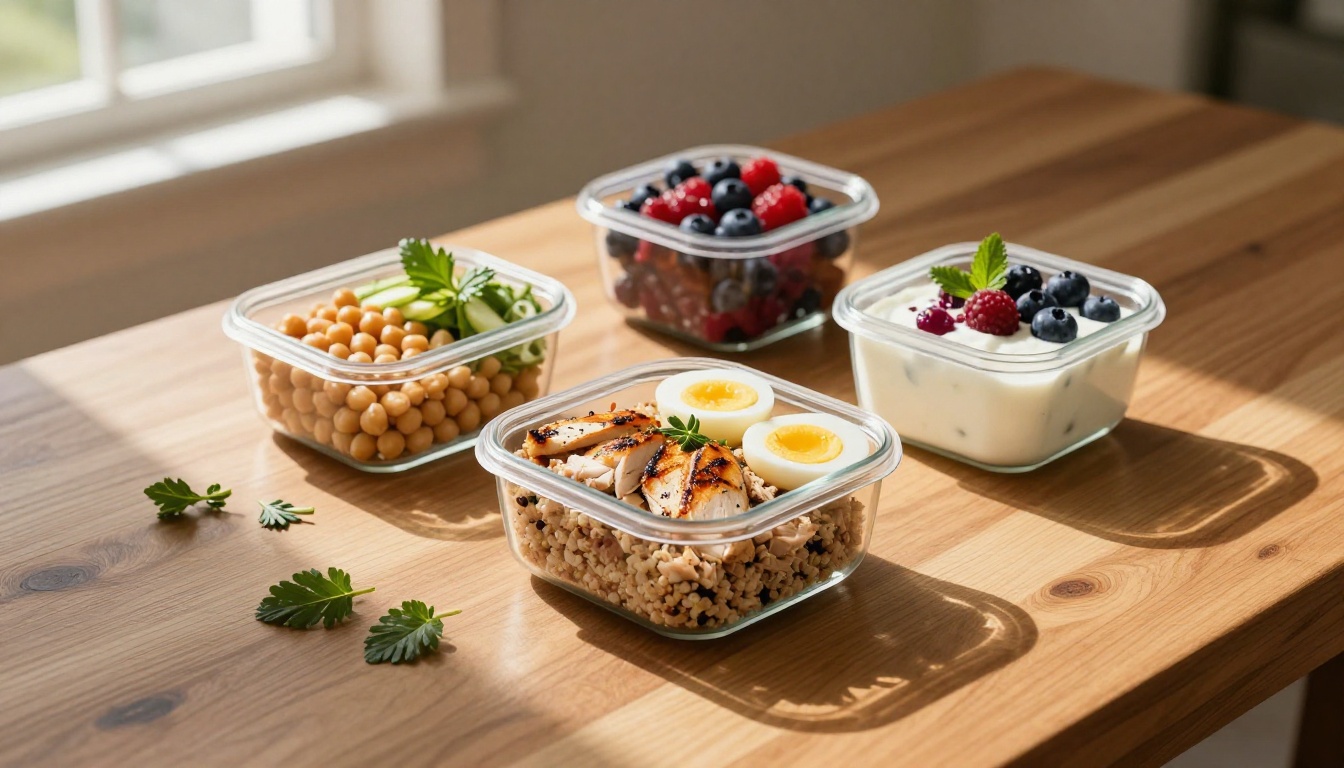
A rushed lunch can leave you hungry again by midafternoon, especially when it relies on a small salad or a snack that lacks staying power. The good news is that a filling lunch doesn’t need to be expensive, complicated, or built around the same chicken-and-rice container every day.
These easy high-protein lunch ideas use familiar ingredients such as chicken, tuna, eggs, turkey, Greek yogurt, beans, and tofu. Many land around 20 to 30 grams of protein per serving, although your needs depend on your body size, activity, health, and goals. Start with one option that sounds good, then make it fit your schedule.
Key Takeaways
- A dependable protein source gives lunch more staying power than bread, chips, or greens alone.
- Rotisserie chicken, canned tuna, hard-boiled eggs, Greek yogurt, beans, and frozen edamame make fast lunches easier.
- Prep a few basics, then change sauces, vegetables, and grains to avoid eating the same meal all week.
- Keep dressings and wet ingredients separate until lunch to protect texture.
- Protein targets are personal, so use estimated totals as a planning tool rather than a strict rule.
Easy High-Protein Lunch Ideas for Busy Days
These 15 easy high-protein lunch ideas work because the ingredients overlap without tasting repetitive. Adjust the portions, sauces, grains, and vegetables based on your appetite and nutrition goals.
Fast wraps, sandwiches, and salads you can pack
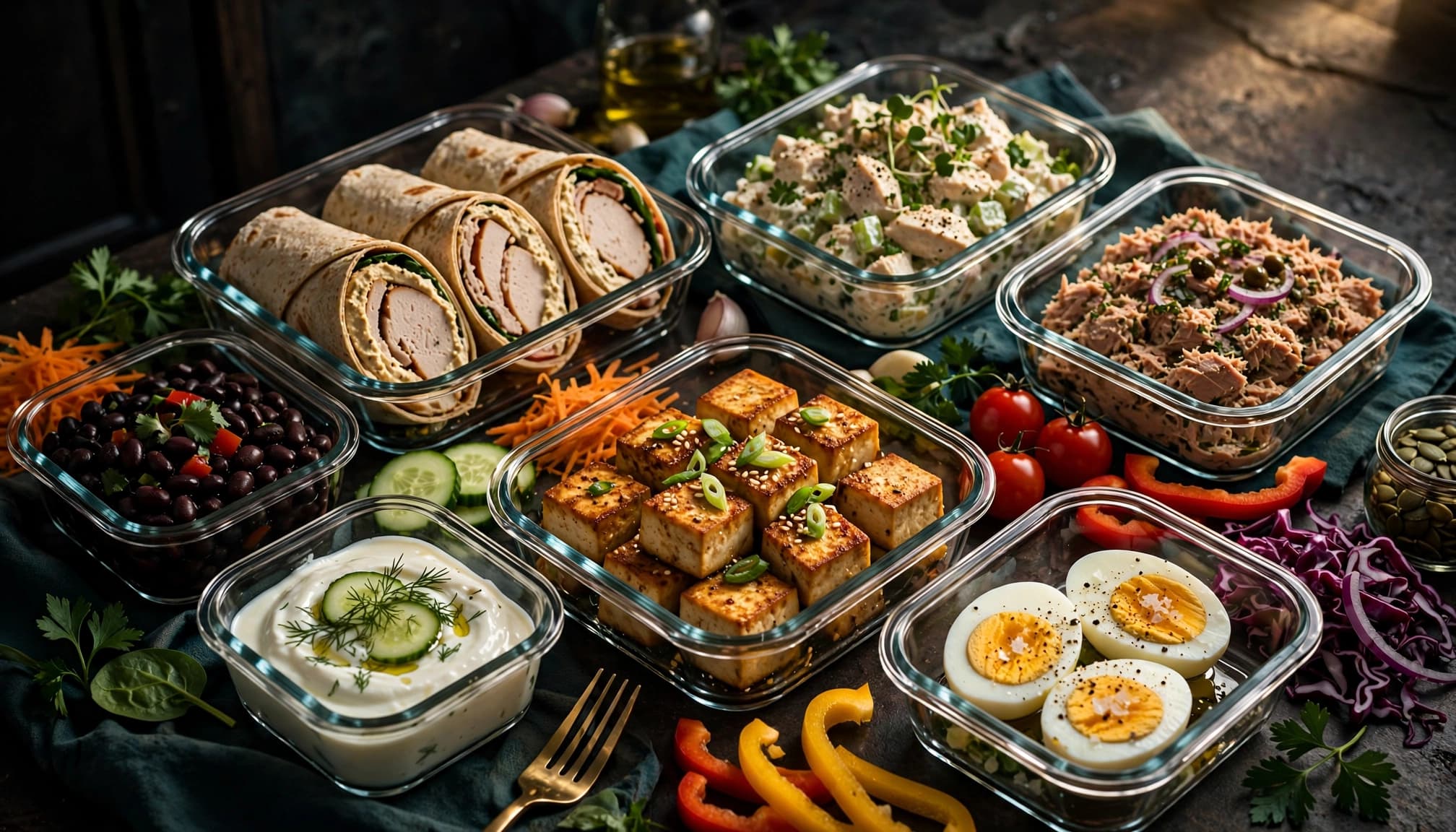
- Turkey and hummus wrap: Spread hummus on a whole-grain wrap, then add sliced turkey, cucumber, shredded carrots, and spinach. Depending on the turkey portion, it can provide roughly 20 to 30 grams of protein. It is a reliable desk lunch, and dry greens placed between the hummus and wrap help prevent sogginess.
- Greek yogurt chicken salad sandwich: Mix chopped cooked chicken with Greek yogurt, celery, mustard, and black pepper. Spoon it into whole-grain bread or lettuce cups for a meal-prep lunch with about 25 to 35 grams of protein. Pack the bread separately if you prepare it ahead.
- Tuna and egg salad: Combine canned tuna, chopped hard-boiled egg, Greek yogurt or light mayo, celery, and lemon. Serve it with whole-grain toast or crackers. This no-fuss option can reach 25 grams or more, depending on the tuna amount.
- Buffalo tuna melt: Stir hot sauce into tuna salad, pile it on whole-grain bread, and add a slice of cheese before heating. It travels best when you pack the tuna separately and toast the sandwich at work.
- Greek chicken salad: Toss chicken with cucumber, tomatoes, feta, greens, and a yogurt-lemon dressing. Use pre-cooked chicken and store the dressing in a small container. It is a crisp, packable choice when you want lunch without a heavy grain base.
Protein-packed bowls for a filling midday meal
- Greek chicken power bowl: Layer cooked chicken, brown rice or quinoa, cucumber, tomatoes, greens, and feta. Finish with lemony Greek yogurt sauce. Rotisserie chicken and microwaveable grains turn this into a fast meal-prep option.
- Curried chicken and rice salad: Fold diced chicken, cooked rice, broccoli, chopped apple, sliced almonds, and a light curry yogurt dressing together. The apple adds sweetness, while the chicken gives the bowl its protein anchor. Measure almonds and dressing if you are watching calories.
- Buffalo chicken rice bowl: Add shredded chicken, rice, corn, black beans, lettuce, and buffalo sauce to a container. A spoonful of Greek yogurt can replace sour cream while adding extra protein. This bowl is filling enough for an active afternoon.
- Chicken and snap pea stir-fry: Cook chicken strips with snap peas, broccoli, and a bottled stir-fry sauce, then serve over rice. Frozen vegetables cut chopping time and hold up well for several lunches. Keep the sauce modest because bottled versions can add sugar and sodium quickly.
- Steak and blue cheese salad: Slice leftover steak over greens with tomatoes, cucumber, blue cheese, and a simple vinaigrette. The steak supplies substantial protein, while a measured amount of cheese keeps the salad rich without overwhelming it. This works well when dinner leftovers need a second life.
Calorie-dense toppings such as nuts, cheese, avocado, and creamy dressing can make lunch more satisfying, but portions add up fast.
Easy egg, bean, and plant-based lunches
- Egg salad with whole-grain toast: Mash hard-boiled eggs with Greek yogurt, Dijon mustard, celery, and herbs. Pair it with toast and fruit for a simple lunch. Add cottage cheese on the side if you want a larger protein boost.
- Egg roll in a bowl: Brown ground turkey or chicken with bagged coleslaw mix, ginger, garlic, soy sauce, and sesame oil. Add a fried egg or edamame for extra protein. This is a warm lunch that reheats better than a wrapped sandwich.
- Buffalo chicken burrito: Fill a whole-grain tortilla with shredded chicken, black beans, rice, buffalo sauce, and Greek yogurt. Wrap tightly, freeze individual portions early, and thaw one overnight before reheating. It is one of the best options for avoiding last-minute lunch decisions.
- Tofu and edamame grain bowl: Combine baked tofu, shelled edamame, quinoa, shredded carrots, cucumber, and tahini dressing. Use hummus or lemon-tahini sauce for a dairy-free version. Tofu plus edamame creates a more substantial vegetarian meal than either ingredient alone.
- Lentil, quinoa, and black bean salad: Mix cooked lentils, quinoa, black beans, peppers, tomatoes, and herbs with Greek yogurt dressing. Hummus or tahini dressing works for dairy-free eaters. This salad holds its texture well and makes several lunches from one batch.
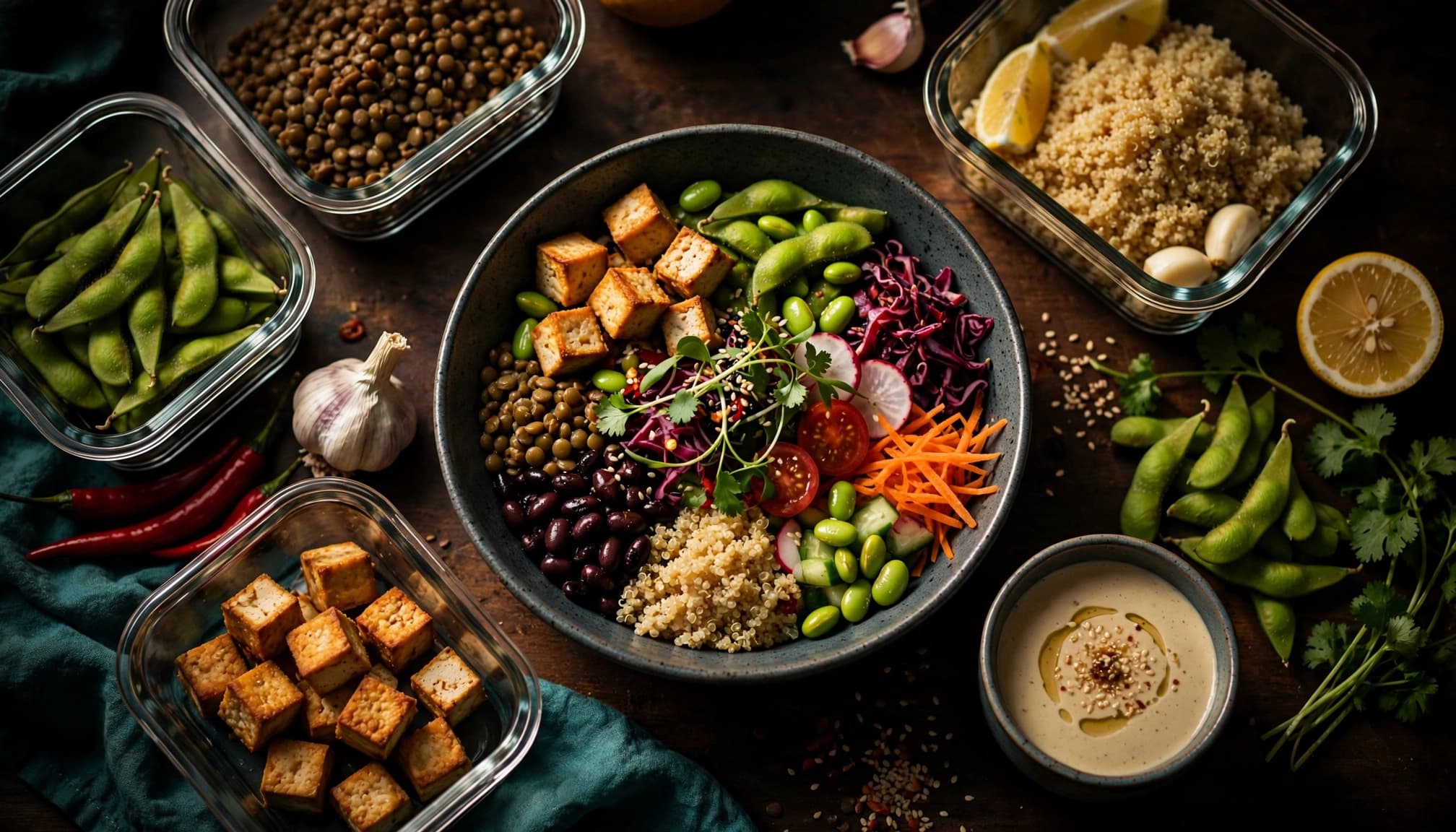
Vegetarian lunches get more satisfying when you combine sources. Edamame, lentils, beans, quinoa, cottage cheese, hemp hearts, Greek yogurt, nuts, and seeds all help raise the total.
How to Build a High-Protein Lunch Without a Recipe
A flexible lunch formula saves you from following a new recipe every day. Begin with one protein anchor, then add fiber, vegetables, and a sauce or topping that makes the meal worth eating.
Start with a protein anchor and fiber-rich base
Choose chicken, turkey, tuna, salmon, eggs, Greek yogurt, cottage cheese, tofu, tempeh, lentils, beans, or edamame. Next, add a fiber-rich base such as greens, brown rice, quinoa, whole-grain bread, beans, or roasted vegetables.
Useful combinations include tuna with white beans, eggs with cottage cheese, chicken with a Greek yogurt sauce, and tofu with edamame. The NIH’s protein reference intake overview also makes clear why needs differ among adults, so lunch doesn’t need one universal number.
Simple ways to reach 20 to 30 grams of protein
Portion size changes the protein total more than most people expect. Check labels on wraps, yogurt, canned fish, deli turkey, and frozen foods, then start with a clear serving of your main protein.
Add small boosters when needed: Greek yogurt, cottage cheese, a hard-boiled egg, edamame, shredded chicken, nuts, or seeds. Fiber from beans, vegetables, fruit, and whole grains also helps lunch feel more satisfying. A 20 to 30 gram range is practical for many people, not a rule every person must follow.
Meal Prep Tips That Keep Busy-Day Lunches Fresh
Cook one or two proteins, one grain, and several vegetables at the start of the week. Then rotate the flavor profile: Greek yogurt and lemon one day, buffalo sauce the next, then hummus or a stir-fry sauce.
Rotisserie chicken can become a wrap, a grain bowl, and a salad. Meanwhile, canned tuna and beans cover no-cook days when you have no prepared leftovers.
Keep textures and flavors separate
Pack sauces, dressings, crunchy vegetables, and bread separately whenever possible. Add nuts, seeds, crackers, and herbs right before eating. This small habit keeps a four-day meal-prep plan from becoming limp and unappealing.
A compact grocery list can cover five workday lunches:
- Protein: chicken or turkey, canned tuna, eggs, Greek yogurt, beans, and tofu.
- Produce: salad greens, cucumbers, tomatoes, broccoli, snap peas, apples, and lemons.
- Bases: whole-grain wraps, rice, quinoa, whole-grain bread, and crackers.
- Flavor boosters: hummus, hot sauce, herbs, mustard, feta, and tahini.
Buying a short list with overlapping uses reduces waste. The same cucumber can go into a turkey wrap, Greek chicken salad, and tofu bowl.
Store and reheat lunch safely
Keep cooked food refrigerated at 40°F or below. According to USDA food-safety guidance, most cooked leftovers should be used within three to four days, so freeze later portions early.
Discard food left out for more than two hours. Reheat leftovers to 165°F, and use an insulated lunch bag with ice packs if your meal will sit away from a refrigerator.
Frequently Asked Questions
What counts as a high-protein lunch?
There is no official protein cutoff that fits every person. Many practical lunches provide at least 20 grams, while larger meals may reach 25 to 40 grams. Your ideal amount depends on body size, age, activity, health needs, and personal goals.
Can I make these lunches the night before?
Most of them work well when prepared the night before. Keep wet ingredients, dressings, and bread separate when texture matters. Chilled wraps, salads, bowls, and egg-based lunches usually hold up well with proper storage.
What are the best no-cook high-protein lunch options?
Turkey hummus wraps, tuna salad bowls, Greek yogurt-based chicken salad, cottage cheese with vegetables, tuna and beans, and rotisserie chicken salads require little or no cooking. Shelf-stable and ready-to-eat proteins make these especially useful on busy mornings.
How long do high-protein meal-prep lunches last?
Properly refrigerated cooked leftovers generally last three to four days. Freeze portions you will not eat within that window, and use ice packs when transporting lunch. FoodSafety.gov leftover guidance recommends reheating leftovers to 165°F.
How can I add protein to a vegetarian lunch?
Combine beans, lentils, tofu, tempeh, edamame, quinoa, eggs, Greek yogurt, cottage cheese, nuts, or seeds. Pairing two or more sources, such as tofu and edamame or lentils and Greek yogurt dressing, makes a vegetarian meal more filling.
A Filling Lunch Starts With One Reliable Protein
You do not need a complicated recipe to avoid the midafternoon hunger slump. Pick two or three of these easy high-protein lunch ideas, prep a few basics, and change the sauces, vegetables, and grains through the week.
Keep portions personal, use safe storage habits, and try one new lunch this week. Consistency matters more than perfect meal prep.
-

 Manchester United9 months ago
BREAKING NEWS: “I didn’t leave Manchester United because of Ruben Amorim. I left because of this particular player. The way he treated me in the dressing room was unacceptable. If I’m to return, then he has to leave.”
-
Manchester United9 months ago
BREAKING NEWS: “WE WERE TOO HARSH ON HIM” — SIR ALEX FERGUSON URGES MANCHESTER UNITED TO BRING BACK OLE GUNNAR SOLSKJÆR TO OLD TRAFFORD.
-

 Barcelona1 year ago
Breaking News: Anfield is buzzing with excitement! Raphinha has reached a personal agreement with Liverpool. Barcelona is reportedly willing to let him go, and in a recent interview, Raphinha hinted at his admiration for the incoming manager, saying, “If Arne Slot calls, you pick up.”
-

 Premier League1 year ago
Xavi Hernandez has officially signed a three-year contract to become the new head coach of a Premier League club, stepping in after the departure of the previous manager
-
 Real Madrid1 year ago
Jurgen Klopp Reveals Why He Accepted Real Madrid’s Offer to Replace Carlo Ancelotti
-
Liverpool1 year ago
Despite the heartbreak caused by Diogo Jota’s tragic accident, Liverpool FC has brought a glimmer of hope to his grieving family — especially his wife and the three beautiful kids he left behind
-

 Manchester United1 year ago
I’m not suppose to be doing this but as A captain it pains me to see such a great player with potential leave our club,I shed tears when the INEOS announced His departure,this very unfair of Him”, Bruno Fernandez broke down in tears as INEOS confirmed another Man united player departure by the summer
-
Manchester United1 year ago
BREAKING NEWS: Lisandro Martinez spotted in Man United training yesterday as Club doctor confirmed Him fit to start against Lyon – Congratulations Man United fans