
Dinner recipes
Creamy Tuscan Shrimp With Spinach and Garlic in 25 Minutes

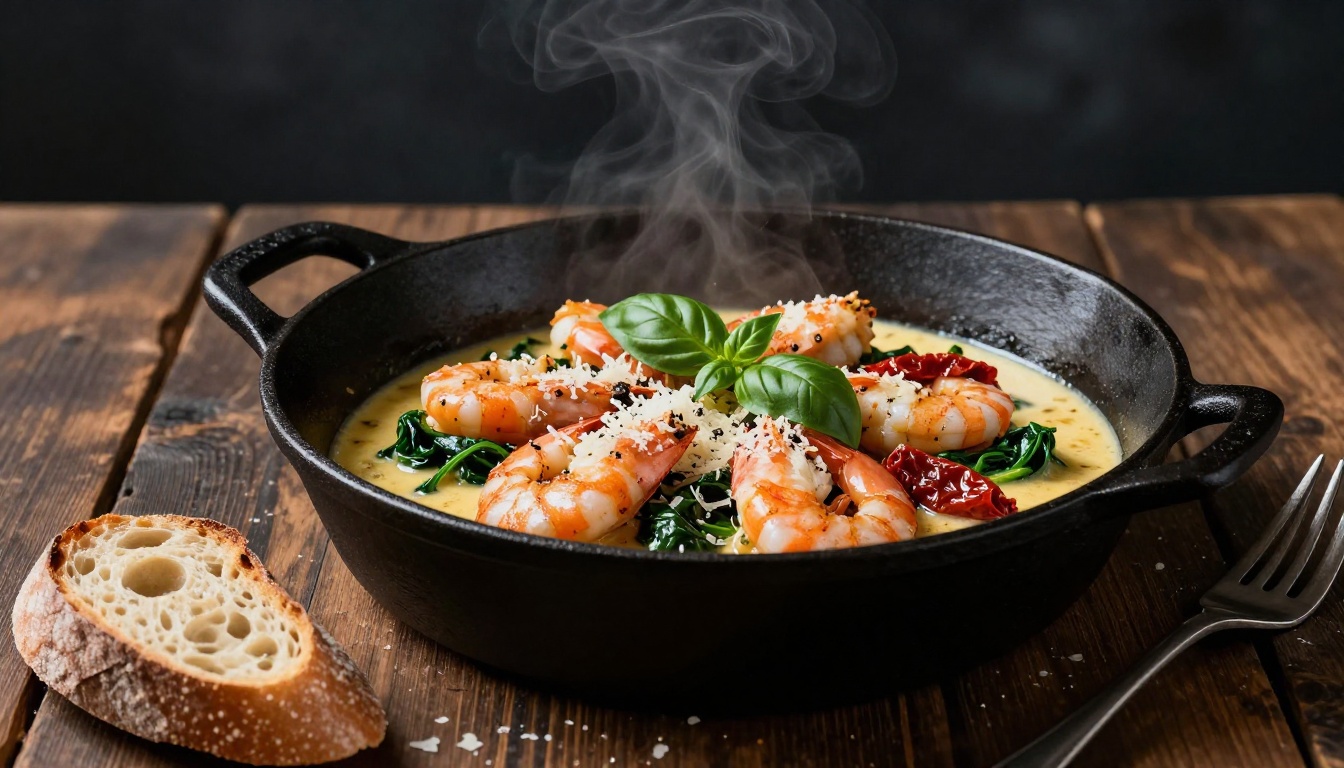
A creamy, garlicky shrimp dinner sounds like a project until you realize it can be on the table in about 25 minutes. The trick is to sear the shrimp first, then bring them back only after the sauce is ready.
This creamy Tuscan shrimp recipe combines spinach, sun-dried tomatoes, and Parmesan in a sauce you’ll want to catch with pasta, rice, or crusty bread. Tender shrimp are the goal, so it helps to know what goes into the pan and when.
Creamy Tuscan Shrimp Recipe With Spinach and Garlic
This recipe makes about four servings when paired with a side. Set out and measure everything before heating the skillet. Shrimp cook quickly, and you won’t want to mince garlic while they sit over the heat.
What you’ll need for the creamy garlic sauce
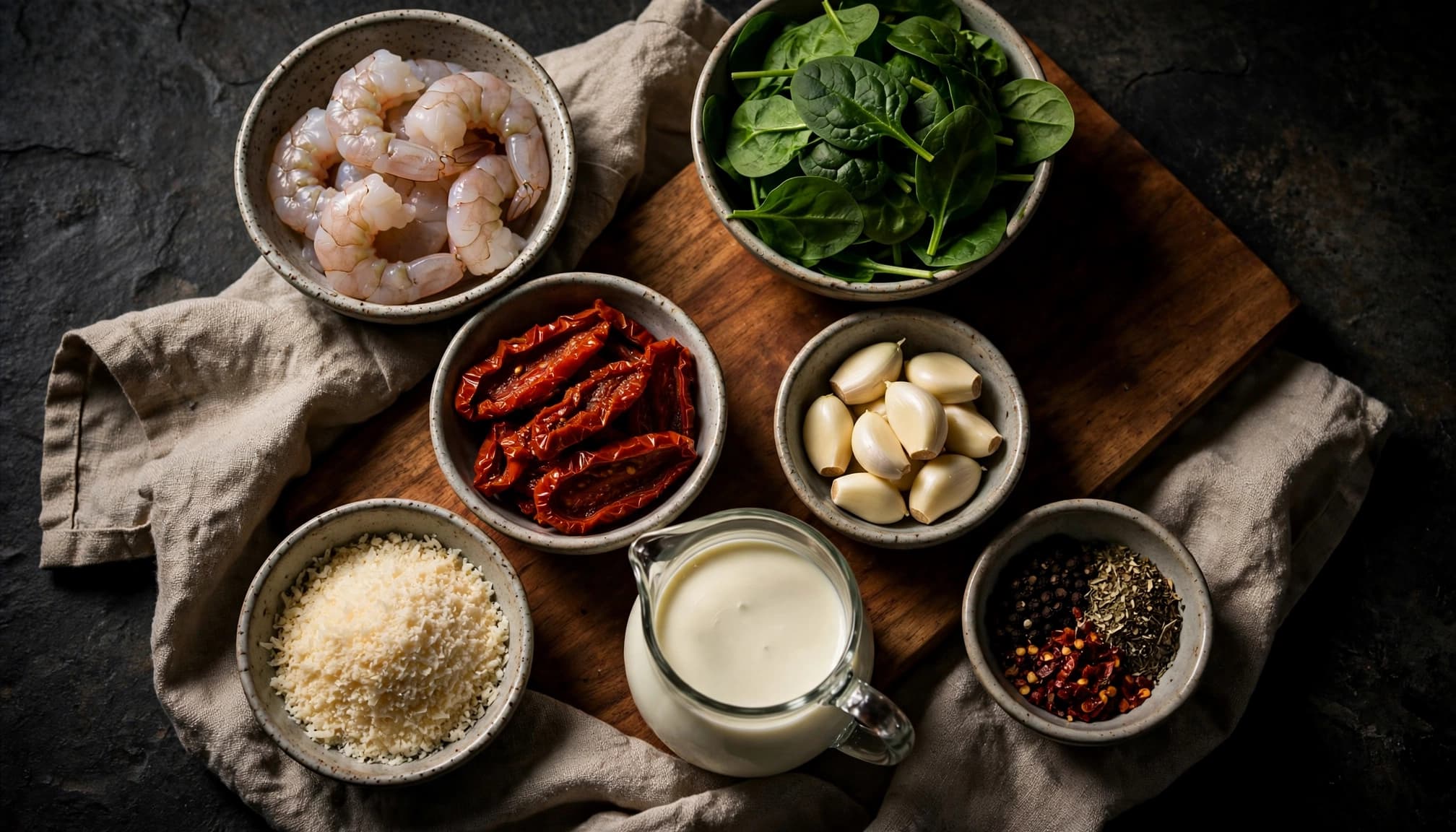
- 1 pound peeled, deveined shrimp
- About 3 cups baby spinach and 4 garlic cloves, minced
- 1/2 cup drained, sliced sun-dried tomatoes
- 1 cup heavy cream and 1/2 cup freshly grated Parmesan
- 2 tablespoons butter or olive oil and 1 teaspoon Italian seasoning
- Salt and black pepper to taste, plus optional red pepper flakes and a splash of lemon juice
Shrimp give you a quick-cooking protein, while garlic builds the sauce’s savory base. Sun-dried tomatoes add a sweet-tart note, and spinach brings color and freshness. Cream and Parmesan make the sauce rich; freshly grated Parmesan melts more smoothly than pre-shredded cheese.
Ingredient sizes vary. Large garlic cloves may give you a stronger sauce, and larger shrimp may need a little more time in the skillet.
How to cook the shrimp without overdoing it
- Pat the shrimp dry. Season them with salt, black pepper, and about half the Italian seasoning.
- Heat the butter or oil in a large skillet over medium-high heat. Sear the shrimp for about 2 minutes per side, until firm and opaque. Transfer them to a plate.
- Lower the heat to medium. Cook the garlic in the same skillet for about 30 seconds, stirring so it doesn’t brown. Add the sun-dried tomatoes and remaining seasoning.
- Pour in the cream and bring it to a gentle simmer. Stir for 2 to 3 minutes, until lightly thickened. Reduce the heat, then stir in the Parmesan and spinach until the cheese melts and the leaves wilt.
- Return the shrimp and any juices on the plate to the skillet. Warm briefly, then taste for salt and pepper. Add red pepper flakes or a little lemon juice if you like.
Don’t leave the shrimp simmering while you prepare a side. Once they’ve returned to the sauce, serve the dish while it’s warm.
Prep the Ingredients Before the Skillet Gets Hot
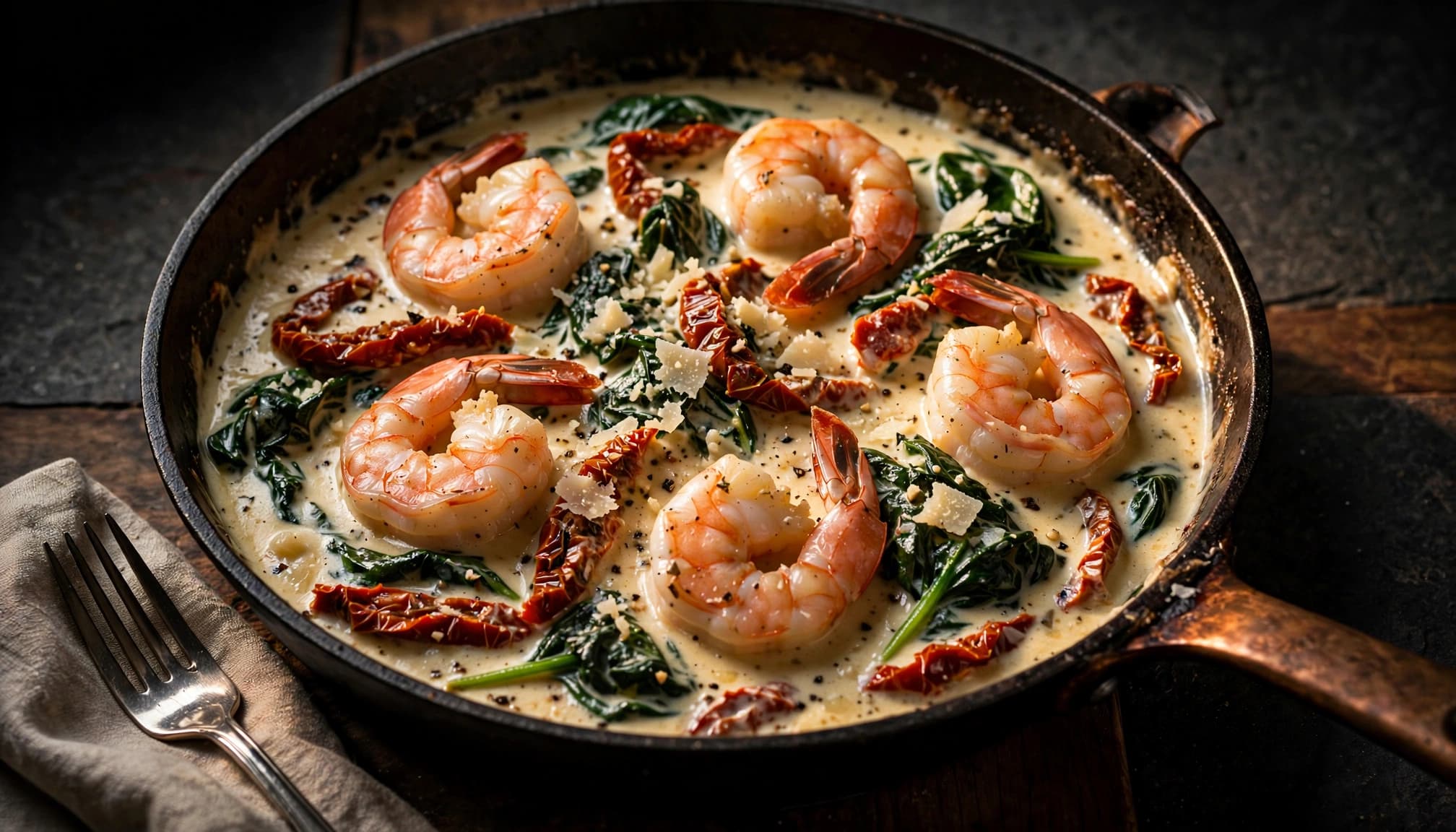
A few minutes of prep make the cooking feel easy. Drain the sun-dried tomatoes well and cut any large pieces into strips. Rinse the spinach if needed, then dry it so excess water doesn’t thin the cream sauce. Mince the garlic and grate the Parmesan before you turn on the stove.
If your shrimp still have shells or tails, remove them before cooking for a fork-friendly dinner. Check along the back of each shrimp for a dark vein and remove it if needed. Then dry the shrimp thoroughly with paper towels. Surface moisture cools the pan and makes a good sear harder to get.
Start your pasta, rice, or other side before the shrimp goes in the skillet. Pasta can cook while you make the sauce, but keep a cup of its cooking water before draining. If you’re serving bread, have it ready to warm while the sauce simmers.
Use a skillet wide enough to hold the shrimp in one layer. If the pan is crowded, sear them in two batches and return both batches at the end. That small adjustment helps the shrimp color evenly without extending their time in the sauce.
Sun-dried tomatoes packed in oil and dry-packed tomatoes can differ in texture. Drain oil-packed tomatoes before measuring. If dry-packed pieces feel tough, soften them in warm water and drain them before adding them to the skillet.
Simple Ways to Get the Sauce and Shrimp Just Right
The shrimp and sauce need different levels of heat. A hot pan gives the shrimp a quick sear, but garlic and cream need gentler treatment. Lowering the heat after the shrimp come out protects the garlic from burning.
If the skillet still seems too hot, lift it off the burner for a few seconds before adding the garlic. Stir constantly while it cooks. Burned garlic can turn the whole sauce bitter, and adding cream won’t remove that flavor.
Let the cream simmer gently, rather than boil hard. It should thicken enough to coat a spoon while remaining loose enough to flow around the shrimp. If it gets too thick, stir in a splash of broth or reserved pasta water. Add liquid a little at a time so the sauce doesn’t become watery.
Fresh or frozen shrimp both work
Frozen shrimp are a practical choice for this creamy Tuscan shrimp recipe. Thaw them fully in the refrigerator, then pat them dry before seasoning. Wet shrimp tend to steam in the skillet instead of searing.
Cooking time depends on size, so use the clock as a guide. The shrimp are ready when their flesh looks pearly and opaque and feels firm. FoodSafety.gov offers seafood handling and doneness guidance if you’d like another way to check them.
Easy swaps for dairy, heat, and extra flavor
Half-and-half can replace heavy cream for a lighter sauce, though the result may be thinner. Keep the heat gentle and give it a little more time to thicken. Don’t expect it to coat pasta exactly like the heavy-cream version.
For heat, add a pinch of red pepper flakes with the tomatoes. A squeeze of lemon juice or some chopped basil works well at the end. You can also deglaze the pan with a small splash of dry white wine after the garlic cooks; let it reduce before adding the cream.
What to Serve With Tuscan Shrimp, Plus Storage Tips
The sauce is generous enough to turn this skillet into a full meal with one simple side. Choose one that fits your schedule and keep it ready before the shrimp finish cooking.
Choose a side that soaks up the sauce
Linguine or fettuccine makes an easy shrimp pasta dinner. Toss the cooked noodles with a little sauce first, adding a spoonful of reserved pasta water if needed. That starchy water helps loosen the sauce so it spreads across the noodles instead of sitting in the pan.
Rice makes a straightforward weeknight plate, especially if you start it before prepping the shrimp. Crusty bread is the quickest choice when you want to scoop up every bit of sauce. For something lighter alongside the dish, add a green salad or roasted vegetables.
Cool, refrigerate, and reheat leftovers safely
Move leftovers to a covered container and refrigerate them promptly, within two hours of cooking. The USDA’s leftovers storage guidance gives a 3-to-4-day refrigerator window for leftovers. Make sure the container stays chilled rather than leaving the skillet out after dinner.
Reheat a portion gently in a skillet with a small splash of water or broth. Stir the sauce as it warms, and avoid repeated reheating, which can make shrimp rubbery. The USDA’s safe minimum temperature chart lists 165°F (74°C) for reheated leftovers.
If you’ve mixed the shrimp with pasta, add a little liquid during reheating. The noodles absorb sauce in the refrigerator, so a splash helps bring back its creamy texture.
Key Takeaways
- Sear the shrimp separately, then return them to the finished sauce for a brief warm-through.
- Prep the garlic, tomatoes, spinach, and Parmesan before cooking; the skillet moves quickly once it’s hot.
- Keep the cream at a gentle simmer and loosen thick sauce with broth or pasta water.
- Serve over pasta or rice, or bring bread to the table. Refrigerate leftovers promptly and reheat only the portion you need.
Frequently Asked Questions
Can I use milk instead of heavy cream?
You can, but milk makes a thinner, less rich sauce. Let it warm gently and thicken gradually; boiling it hard can affect its texture. The result will be lighter than the cream-based recipe.
Can I make Tuscan shrimp ahead of time?
It’s best cooked shortly before serving because reheating can overcook the shrimp. You can measure the cream and seasoning, grate the Parmesan, and prepare the vegetables ahead. Then cook the shrimp and sauce fresh when you’re ready to eat.
How can I tell when shrimp is fully cooked?
Cooked shrimp should look pearly white and opaque, with a firm texture. If you’re using a food thermometer, the seafood safety temperature is 145°F (63°C). Check a thick part of the shrimp without leaving it over the heat longer than necessary.
Can I use another leafy green instead of spinach?
Baby kale works, though it may need a little more time in the sauce to soften. Arugula wilts quickly, making it another convenient option. Its peppery flavor will change the finished dish slightly.
Serve It While the Sauce Is Warm
A fast shrimp dinner depends on one well-timed move: sear the shrimp, take them out, and return them only when the sauce is ready. That keeps them tender while the garlic, tomatoes, spinach, cream, and Parmesan come together.
Pick the side you want most, then adjust the lemon or red pepper to your taste. Spoon the creamy Tuscan shrimp over it while the sauce is still warm.
-

 Manchester United9 months ago
BREAKING NEWS: “I didn’t leave Manchester United because of Ruben Amorim. I left because of this particular player. The way he treated me in the dressing room was unacceptable. If I’m to return, then he has to leave.”
-
Manchester United9 months ago
BREAKING NEWS: “WE WERE TOO HARSH ON HIM” — SIR ALEX FERGUSON URGES MANCHESTER UNITED TO BRING BACK OLE GUNNAR SOLSKJÆR TO OLD TRAFFORD.
-

 Barcelona1 year ago
Breaking News: Anfield is buzzing with excitement! Raphinha has reached a personal agreement with Liverpool. Barcelona is reportedly willing to let him go, and in a recent interview, Raphinha hinted at his admiration for the incoming manager, saying, “If Arne Slot calls, you pick up.”
-

 Premier League1 year ago
Xavi Hernandez has officially signed a three-year contract to become the new head coach of a Premier League club, stepping in after the departure of the previous manager
-
 Real Madrid1 year ago
Jurgen Klopp Reveals Why He Accepted Real Madrid’s Offer to Replace Carlo Ancelotti
-
Liverpool1 year ago
Despite the heartbreak caused by Diogo Jota’s tragic accident, Liverpool FC has brought a glimmer of hope to his grieving family — especially his wife and the three beautiful kids he left behind
-

 Manchester United1 year ago
I’m not suppose to be doing this but as A captain it pains me to see such a great player with potential leave our club,I shed tears when the INEOS announced His departure,this very unfair of Him”, Bruno Fernandez broke down in tears as INEOS confirmed another Man united player departure by the summer
-
Manchester United1 year ago
BREAKING NEWS: Lisandro Martinez spotted in Man United training yesterday as Club doctor confirmed Him fit to start against Lyon – Congratulations Man United fans