
Dinner recipes
Easy Chicken Broccoli Rice Casserole That Stays Creamy

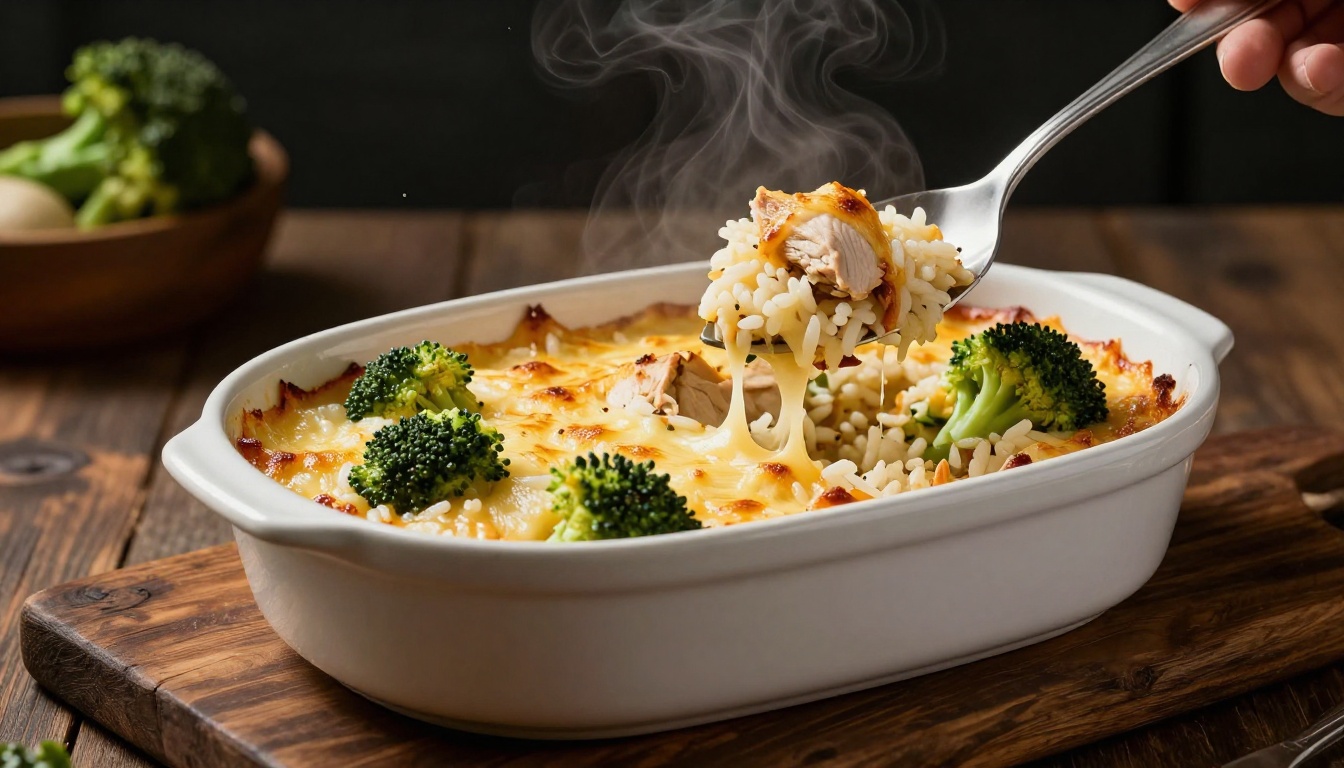
A warm casserole can solve dinner on the busiest nights without asking much from you. This easy chicken broccoli rice casserole brings tender chicken, fluffy rice, crisp-tender broccoli, creamy sauce, and melted cheese together in one dependable baking dish.
The difference comes down to a few small choices: start with cooked rice, avoid overcooking the broccoli, use fully cooked chicken, and let the finished dish rest before serving. Those details keep the texture creamy and comforting, rather than watery or heavy.
Key Takeaways
- Use cooked rice for the fastest, most reliable casserole texture.
- Blanch fresh broccoli briefly or thaw and dry frozen florets before baking.
- Bake at 350°F until the filling is hot and bubbly, then rest it for 10 minutes.
- Refrigerate leftovers promptly and reheat them to 165°F before eating.
Easy Chicken Broccoli Rice Casserole for a Quick Family Dinner
This easy chicken broccoli rice casserole works because every main component is already cooked or nearly cooked before it enters the oven. Instead of waiting for dry rice to absorb broth, you assemble the filling, bake it briefly, and serve dinner with far less guesswork.
A 9×13-inch dish is a practical size for a family meal. The finished casserole should have tender chicken, cheesy rice, and broccoli with a little bite. The sauce should coat the ingredients without pooling around them.
Use a 350°F oven and bake the assembled dish for about 20 to 30 minutes. Since the rice and chicken are cooked, the oven’s job is to heat the center, meld the sauce, and brown the topping.
The Simple Ingredients That Build Flavor
For a standard 9×13-inch casserole, start with about 4 cups cooked white rice and 2 to 3 cups cooked, diced boneless chicken breast or thighs. Add 3 to 4 cups broccoli florets, one can of cream of chicken soup or a homemade creamy sauce, plus a splash of milk or chicken broth to loosen it.
Shredded cheddar gives the casserole its familiar cheesy finish. Freshly shredded cheddar usually melts more smoothly than pre-shredded cheese, which often contains anti-caking ingredients. Onion powder, garlic powder, and black pepper round out the flavor, while Dijon mustard or Italian seasoning can add a sharper edge.
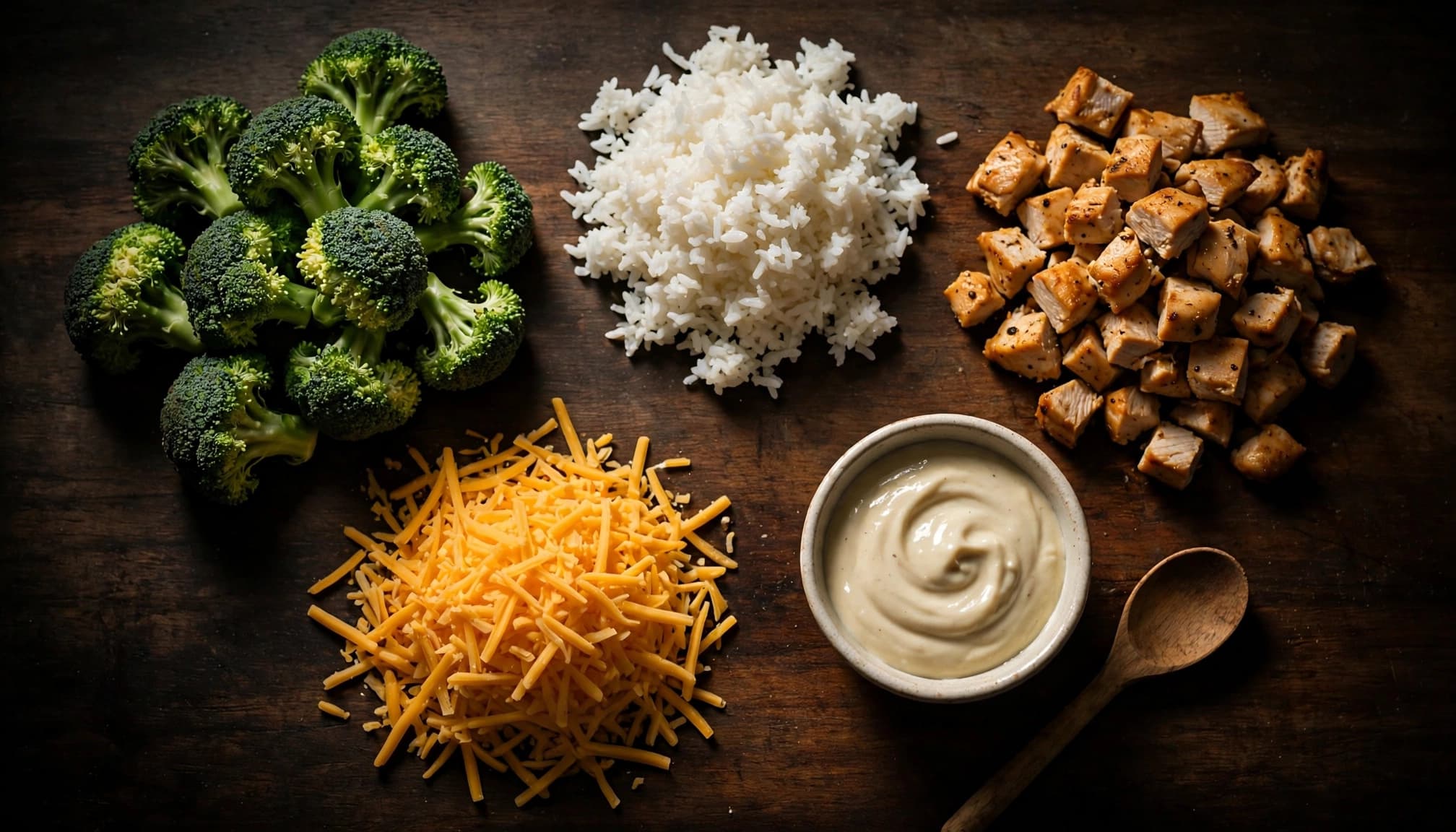
For a textured top, use buttered cracker crumbs, breadcrumbs, Parmesan, or an extra layer of cheddar. Keep the topping modest so it complements the creamy filling instead of covering it completely.
How to Assemble and Bake the Casserole
Cook and dice the chicken, prepare the rice, and briefly steam or blanch the broccoli. Then stir together the soup or sauce, milk or broth, seasonings, chicken, rice, and broccoli until the mixture looks evenly coated.
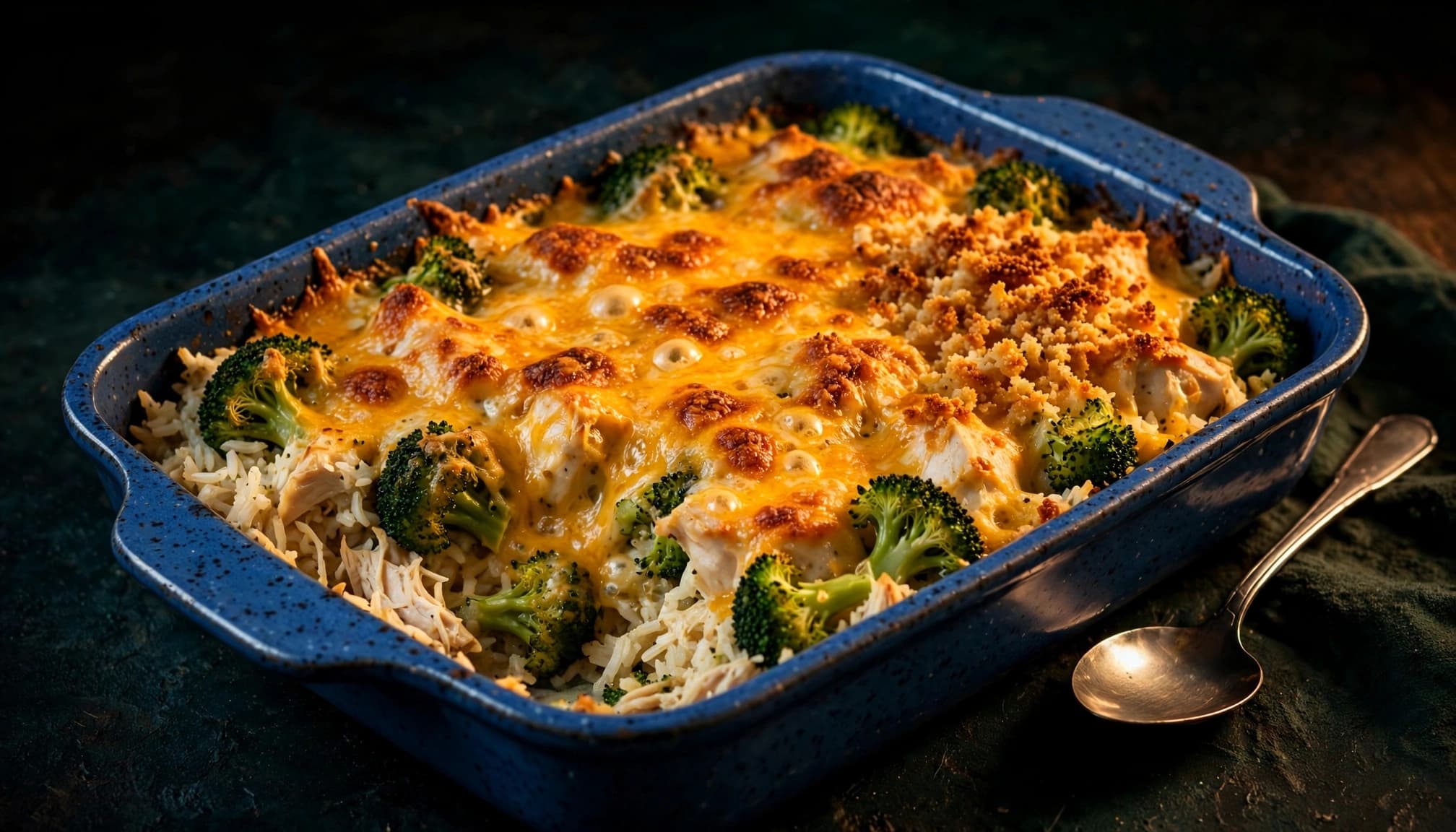
Spread the filling into a greased baking dish and scatter cheese or crumbs over the surface. Bake uncovered when you want the topping to brown quickly. If it darkens before the center is hot, cover the dish loosely with foil, then uncover it for the final few minutes.
Let the casserole rest for about 10 minutes after baking. The sauce thickens as it settles, so servings hold together better on the plate.
How to Choose the Best Rice, Chicken, and Broccoli
This method differs from dump-and-bake casseroles that use uncooked rice. Dry rice needs more liquid, a longer oven time, and enough broth to stay submerged. Cooked rice keeps the process quick and gives you more control over the final texture.
Leftover rice works well as long as it isn’t wet or clumped with excess moisture. Break up cold rice with a fork before mixing it into the sauce. Long-grain white rice is the easiest choice, although cooked brown rice can work if you add a little extra sauce.
Fresh or Frozen Broccoli: Keep It Bright and Tender
Fresh broccoli needs only a short steam or blanch before baking. Stop when it turns bright green and begins to soften around the edges. It will continue cooking in the casserole, so fully tender broccoli can become soft and watery by dinnertime.
Frozen florets are convenient, especially on a weeknight. Thaw them first when possible, then pat them dry before adding them to the filling. Large florets should be cut into bite-size pieces so each scoop includes a balanced mix of rice, chicken, sauce, and vegetables.
Broccoli releases moisture as it cooks, so a brief pre-cook is enough. Fully cooking it before baking often leaves the casserole loose and soft.
Cooked Rice, Chicken Breasts, or Thighs: What Works Best
Cooked long-grain white rice stays separate and fluffy in a creamy sauce. Brown rice has a firmer texture and can absorb more moisture, so add a small splash of broth if the filling seems thick before it goes into the oven.
Chicken must be fully cooked before it is mixed into this version. Use a thermometer to confirm it reaches 165°F, the USDA safe temperature for poultry.
Chicken breasts are lean and easy to dice, while boneless thighs stay moist if the casserole bakes a few minutes too long. Rotisserie chicken is a helpful shortcut. Remove the skin and bones, then chop the meat into even pieces.
Easy Ways to Change the Creamy Chicken and Rice Casserole
The basic formula can handle plenty of changes without losing its character. Keep the ratio of rice, chicken, vegetables, and creamy sauce fairly steady, then adjust one element at a time.
For example, you can change the cheese, stir in a different vegetable, or replace condensed soup with a homemade sauce. Swapping several wet ingredients at once can make the filling too loose, so add milk, broth, yogurt, or sour cream gradually.
Make It Without Condensed Soup
A homemade sauce starts with butter and flour cooked together for a minute or two. Slowly whisk in milk and chicken broth, then season with garlic, onion powder, salt, and black pepper. The finished sauce should be a little thicker than you expect because the broccoli and rice can release moisture as the casserole bakes.
For extra tang, stir in a few spoonfuls of Greek yogurt or sour cream after the sauce cools slightly. That step reduces the chance of curdling. Cottage cheese can also add richness, although blending it first creates a smoother filling.
Cheese, Toppings, and Seasonings That Add More Flavor
Sharp cheddar brings a stronger cheese flavor, while mild cheddar keeps the casserole familiar for younger eaters. A cheddar-Parmesan mix gives the top a deeper savory finish without changing the dish’s creamy center.
Breadcrumbs and crushed crackers add crunch, while extra cheese creates a soft, golden layer. Garlic powder, thyme, Italian seasoning, Dijon mustard, Worcestershire sauce, or a small amount of hot sauce can lift the flavor.
Taste the sauce before adding salt. Condensed soup, broth, cheese, and rotisserie chicken can all contain enough sodium to season the casserole on their own.
How to Store, Reheat, and Avoid Common Casserole Mistakes
Most casserole problems come from moisture management and timing. A thin sauce, wet vegetables, or too much broth can leave the pan watery. Meanwhile, too little sauce or too much oven time can make the rice dry and the chicken tough.
Check the casserole near the end of the bake rather than relying only on the clock. A bubbling center and melted cheese show that it is ready to rest.
Why the Casserole Turns Out Watery or Dry
Watery filling often comes from frozen broccoli that wasn’t drained, excess broth, a thin homemade sauce, or leaving the dish covered for too long. Pat vegetables dry, measure liquid carefully, and keep the sauce slightly thick before mixing.
Dry casserole usually means the rice absorbed too much sauce, the chicken cooked too long, or the pan baked uncovered for too long. Add enough creamy mixture to coat every grain of rice, then cover the dish if the top begins browning too early.
Resting the casserole for 10 minutes matters here, too. It gives extra moisture time to settle back into the rice and sauce.
Safe Storage and the Best Way to Reheat Leftovers
Divide leftovers into shallow airtight containers so they cool faster and reheat evenly. Refrigerate them promptly, and use them within four days. USDA guidance on leftovers and food safety recommends a three-to-four-day refrigerated window.
For individual servings, add a small splash of milk or broth, cover loosely, and microwave in short intervals. Stir or rotate the food when possible. For a larger portion, cover the dish with foil and heat at 350°F until the center is hot.
Don’t leave the casserole at room temperature for extended periods. USDA guidance calls for prompt refrigeration within two hours, or within one hour when temperatures exceed 90°F, as explained in its safe food handling guidance. Reheated chicken casserole should reach 165°F and be steaming hot throughout.
Frequently Asked Questions
Can I assemble chicken broccoli rice casserole ahead of time?
Yes. Assemble the casserole, cover it tightly, and refrigerate it until you are ready to bake. If the dish has been chilled for several hours, it may need a few extra minutes in the oven to heat through.
Can I freeze this casserole?
You can freeze the assembled casserole or cooled leftovers in a freezer-safe container. For the best texture, use cooked broccoli that is still slightly firm and avoid adding a crunchy topping until after thawing and reheating.
What can I use instead of broccoli?
Cauliflower, peas, green beans, or a blend of cooked vegetables can work well. Drain or dry them first so they don’t add too much water to the sauce.
Can I use cream of mushroom soup instead?
Cream of mushroom soup is a suitable swap if you like its flavor. It pairs well with chicken, rice, cheddar, and broccoli, although it gives the finished casserole a more earthy taste.
How do I know the center is hot enough?
A food thermometer is the most reliable option. The center should reach 165°F, which matches FoodSafety.gov’s guidance for casseroles and leftovers.
A Dependable Weeknight Casserole
This casserole stays flexible because its core ingredients work well with small changes. Cooked chicken, rice, broccoli, creamy sauce, and cheese create a filling meal without a complicated process.
Use cooked rice for the fastest version, keep the broccoli slightly crisp, and check chicken and reheated leftovers with a thermometer. Then give the dish its full 10-minute rest before serving, and try a cheddar-Parmesan finish or buttery cracker topping for a different take next time.
-

 Manchester United9 months ago
BREAKING NEWS: “I didn’t leave Manchester United because of Ruben Amorim. I left because of this particular player. The way he treated me in the dressing room was unacceptable. If I’m to return, then he has to leave.”
-
Manchester United9 months ago
BREAKING NEWS: “WE WERE TOO HARSH ON HIM” — SIR ALEX FERGUSON URGES MANCHESTER UNITED TO BRING BACK OLE GUNNAR SOLSKJÆR TO OLD TRAFFORD.
-

 Barcelona1 year ago
Breaking News: Anfield is buzzing with excitement! Raphinha has reached a personal agreement with Liverpool. Barcelona is reportedly willing to let him go, and in a recent interview, Raphinha hinted at his admiration for the incoming manager, saying, “If Arne Slot calls, you pick up.”
-

 Premier League1 year ago
Xavi Hernandez has officially signed a three-year contract to become the new head coach of a Premier League club, stepping in after the departure of the previous manager
-
 Real Madrid1 year ago
Jurgen Klopp Reveals Why He Accepted Real Madrid’s Offer to Replace Carlo Ancelotti
-
Liverpool1 year ago
Despite the heartbreak caused by Diogo Jota’s tragic accident, Liverpool FC has brought a glimmer of hope to his grieving family — especially his wife and the three beautiful kids he left behind
-

 Manchester United1 year ago
I’m not suppose to be doing this but as A captain it pains me to see such a great player with potential leave our club,I shed tears when the INEOS announced His departure,this very unfair of Him”, Bruno Fernandez broke down in tears as INEOS confirmed another Man united player departure by the summer
-
Manchester United1 year ago
BREAKING NEWS: Lisandro Martinez spotted in Man United training yesterday as Club doctor confirmed Him fit to start against Lyon – Congratulations Man United fans