
Dinner recipes
Creamy Garlic Parmesan Pasta Recipe for a Cozy Weeknight Dinner

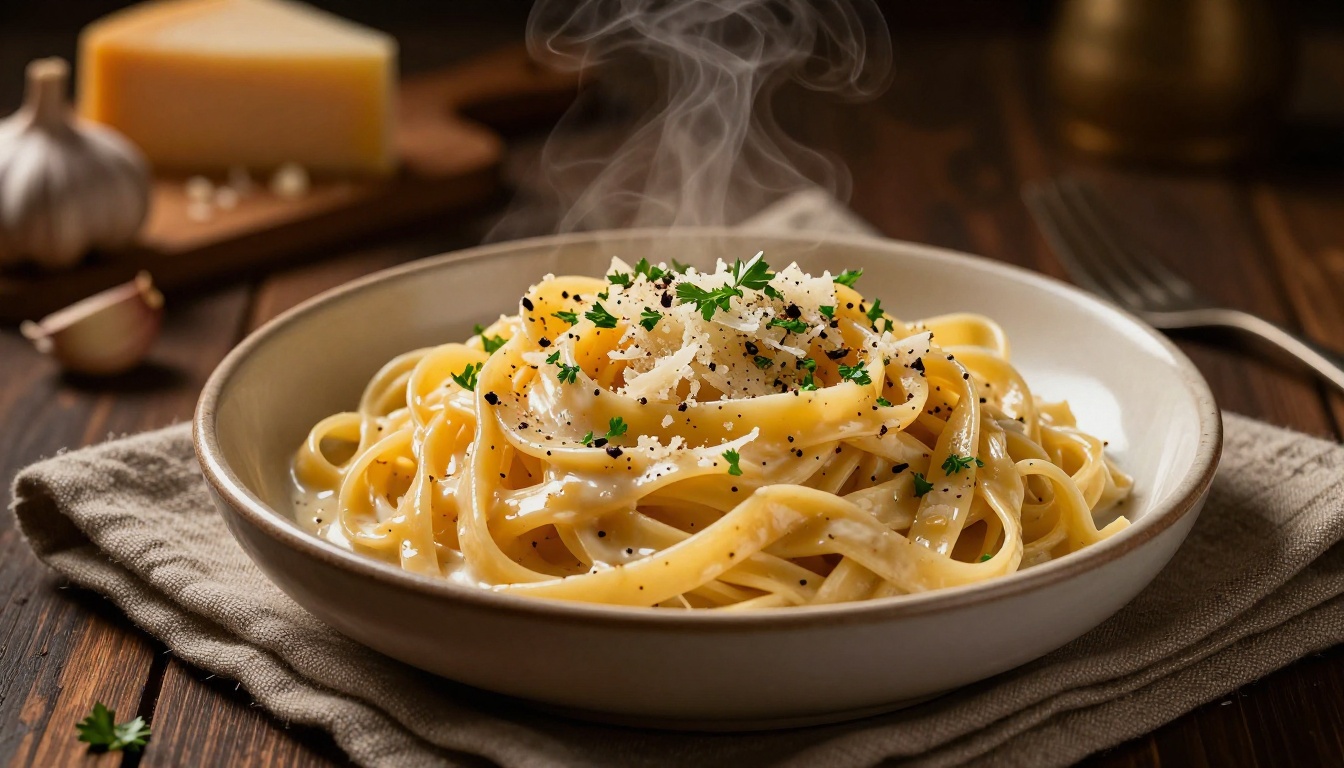
A bowl of warm fettuccine coated in garlic, cream, and Parmesan can make an ordinary Tuesday feel like a dinner worth sitting down for. This creamy garlic Parmesan pasta recipe uses familiar ingredients and takes about 20 minutes, so you can make it when you want comfort without a long evening in the kitchen.
The sauce is rich but simple to control: keep the heat gentle, add the cheese gradually, and save some pasta water before you drain the noodles. With those small moves, you can get a glossy sauce that clings to every strand.
Creamy Garlic Parmesan Pasta Recipe: Ingredients and Method
Makes 4 servings | Total time: about 20 minutes
You need a large pot, a colander, a wide skillet, and a grater. Keep a heatproof measuring cup near the stove so the pasta water doesn’t disappear down the drain. A wide skillet gives you room to toss the noodles until they’re evenly coated.
What You’ll Need for the Creamy Sauce
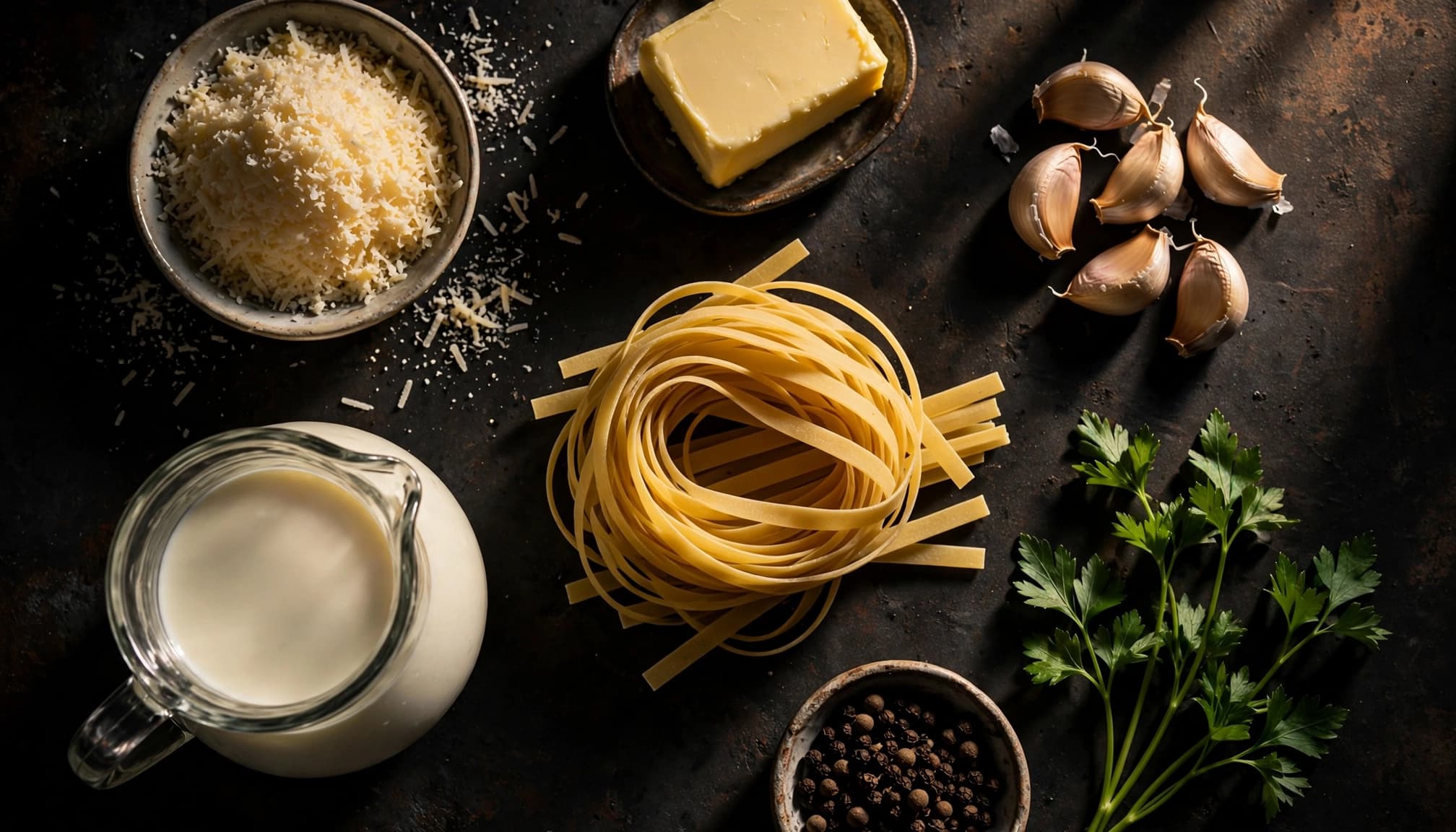
- 12 ounces dry fettuccine, or another pasta shape
- 2 tablespoons butter
- 4 to 5 garlic cloves, minced
- 1 cup heavy cream
- 1 cup finely grated Parmesan cheese
- Salt, for the pasta water and to taste
- 1/4 teaspoon freshly ground black pepper, plus more to serve
- 2 tablespoons chopped fresh parsley, optional
Grate the Parmesan from a block if you can. Fine shreds melt more readily into the warm cream than larger pieces, which helps the sauce stay smooth. Measure the cheese before you start cooking; the final steps move quickly once the pasta is ready.
Salt the cooking water well, then reserve at least 1 cup of starchy pasta water before draining. You’ll add only as much as the sauce needs, but having the full cup nearby makes a too-thick sauce easy to fix.
Cook the Pasta and Build the Garlic Parmesan Sauce
- Boil the pasta. Bring a large pot of well-salted water to a boil. Add the fettuccine and cook according to the package directions until just al dente. Taste a strand near the end: it should be tender, with a slight firmness at the center.
- Save water and drain. Scoop out at least 1 cup of pasta water before pouring the noodles into a colander. Don’t rinse them. Their surface starch helps the sauce hold on.
- Soften the garlic. While the pasta cooks, melt the butter in a wide skillet over medium-low heat. Add the minced garlic and stir for 30 to 60 seconds, until fragrant. Keep it pale; browned garlic can give the sauce a bitter edge.
- Warm the cream. Pour in the heavy cream and stir. Let it reach a gentle simmer for about 2 minutes, with only small bubbles around the edges. If it starts boiling hard, lower the heat.
- Melt in the Parmesan. Turn the heat to low or move the skillet off the burner. Add the cheese in a few small portions, stirring until each addition blends into the cream before adding more.
- Toss and adjust. Add the drained pasta and toss until coated. Pour in reserved pasta water 1 or 2 tablespoons at a time, tossing after each addition, until the sauce coats the noodles without sitting heavily in the pan. Add the black pepper, taste, and season with salt if needed. Finish with parsley if you like.
The noodles continue to absorb sauce while you toss them. Stop adding water when the pasta looks glossy and a little sauce remains in the bottom of the skillet. That small amount will cling to the next forkful rather than leaving the pasta dry.
Quick Recipe Notes for Serving and Portions
Twelve ounces of dry pasta makes four moderate main-dish servings. If dinner includes chicken, fish, or substantial sides, it can stretch further. The timing assumes you prepare the garlic and cheese while the water heats and the pasta cooks.
Serve the pasta as soon as it’s ready. The sauce thickens as it cools, and freshly tossed noodles have the best texture. Keep the reserved water nearby at the table; a small splash and a quick toss can loosen the sauce if the skillet sits for a few minutes.
How to Keep the Garlic Parmesan Sauce Smooth and Creamy
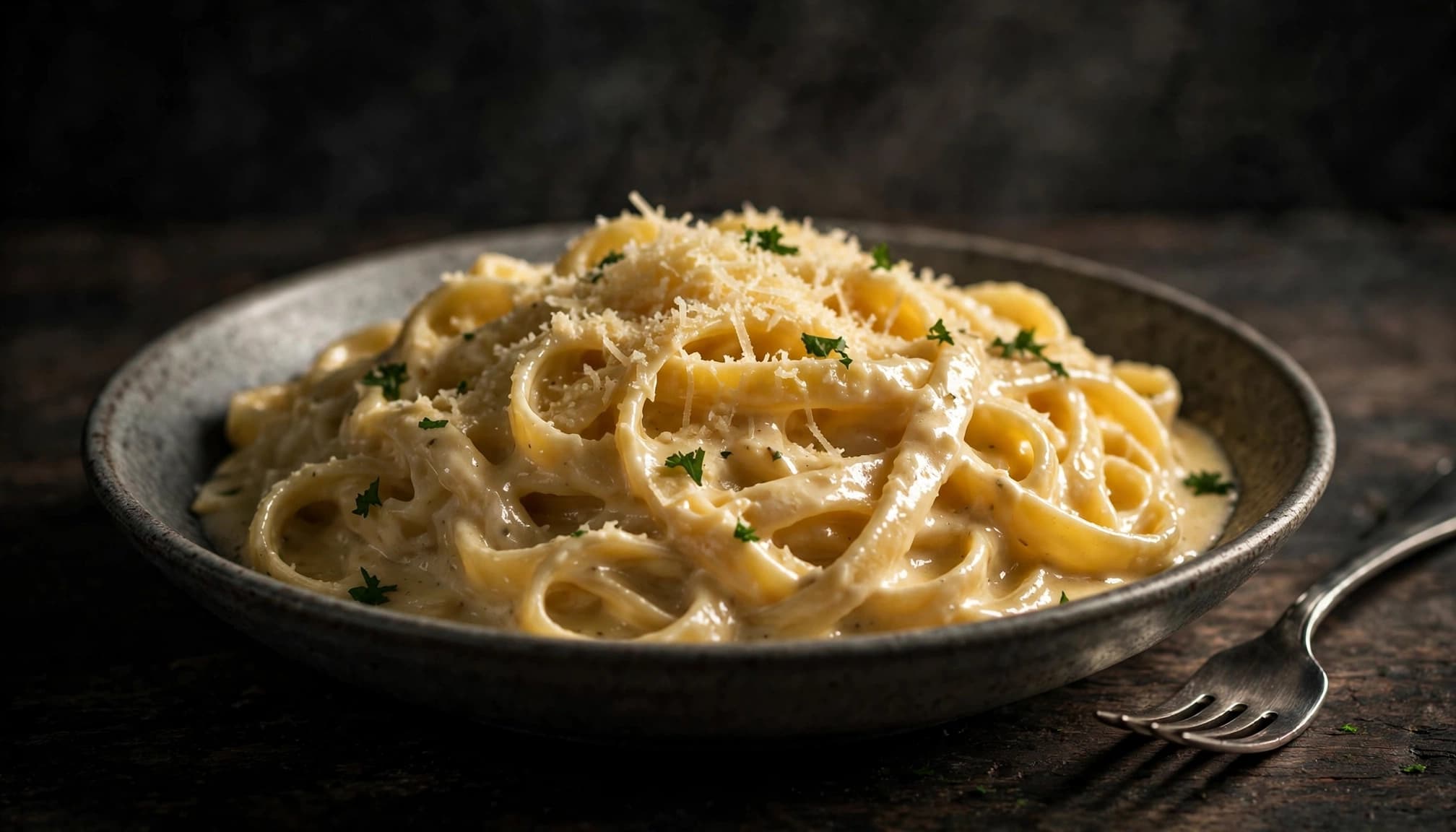
Cream sauce can turn grainy when the pan gets too hot or the cheese goes in too quickly. The easiest approach is to warm the cream gently, let the skillet settle, and then stir in the Parmesan. You’re looking for a sauce that moves easily around the noodles, rather than a thick paste.
Add Parmesan Slowly and Keep the Heat Low
If the cream is bubbling when you’re ready to add cheese, take the pan off the burner first. Residual heat is often enough to melt finely grated Parmesan. Stir in a small portion, wait until it disappears into the cream, and repeat.
Cheese that clumps has usually met too much heat or gone in all at once. Remove the skillet from the burner and stir gently before adding anything else. If it still looks uneven, toss in a tablespoon of warm pasta water. Avoid turning up the burner to force the cheese to melt; that can make the texture grainier.
Use Pasta Water to Fix Sauce Texture
Pasta water loosens a thick sauce while its starch helps the sauce coat the noodles. Serious Eats explains how pasta water helps bind sauce, which is why it’s more useful here than plain water. Add 1 or 2 tablespoons at a time and toss before deciding whether you need more.
If the sauce looks thin, give it a brief, gentle simmer before adding more cheese. If it looks oily or separated, take it off the heat and stir in a little warm pasta water. That may bring it back together, though a badly overheated sauce might not regain its original texture. For an even coating, follow the pasta-saucing method from Serious Eats: bring the cooked noodles into the sauce and finish them together.
Easy Variations, Side Dishes, and Leftover Tips
The basic pasta is satisfying on its own, but it’s also an easy starting point when you have cooked protein or vegetables to use up. Keep additions modest so there’s enough sauce to coat the noodles.
Add Chicken, Vegetables, or a Bright Finish
Stir in sliced cooked chicken near the end, or add cooked shrimp just long enough to warm it through. Both work well with the garlic and Parmesan without changing the sauce method. Cook any raw protein separately before it goes into the pasta.
For vegetables, fold a handful of spinach into the warm sauce until it wilts. Warm peas separately, or sauté sliced mushrooms before starting the garlic. Add these near the end so the sauce doesn’t spend extra time on the heat. A little lemon juice or fresh parsley just before serving can lighten the rich flavor.
What to Serve with Garlic Parmesan Pasta
A crisp green salad with a sharp vinaigrette gives the creamy pasta a fresh contrast. Roasted broccoli or asparagus works when you want a warm vegetable, while garlic bread is handy for the sauce left on the plate.
You can also serve smaller portions of the pasta beside grilled chicken or fish. In that case, keep the main protein simply seasoned so it doesn’t compete with the Parmesan.
Store and Reheat Leftovers Without Drying Them Out
Transfer leftovers to a shallow, sealed container and refrigerate them promptly. USDA food-safety guidance for leftovers recommends using refrigerated leftovers within 3 to 4 days. The agency also advises refrigerating perishable food within two hours.
To reheat, put a portion in a skillet over low heat with a splash of milk or water. Stir as it warms, adding a little more liquid if needed. Avoid a rolling boil, which can cause the cream sauce to separate. Leftovers can still make a good lunch, but the sauce may be less silky than it was straight from the pan.
Key Takeaways
Gentle heat does the most work in this creamy garlic Parmesan pasta recipe. Keep the garlic pale, let the cream simmer softly, and stir in finely grated cheese a little at a time.
Save pasta water even if the sauce looks right at first. A tablespoon or two can help the sauce coat the noodles when you toss them or loosen it just before serving.
Frequently Asked Questions
What pasta shape works best with this sauce?
Fettuccine and linguine give you broad or flat strands that carry plenty of sauce. Spaghetti works well too. If you have penne or rotini instead, use it; the sauce settles into the openings and ridges of short pasta.
Can I make this recipe without heavy cream?
Whole milk can replace the cream, but the sauce will be lighter and thinner. Warm it gently and allow more time for it to reduce before adding the Parmesan. Lower-fat milk won’t behave exactly like heavy cream, so expect a different texture.
Can I use pre-grated Parmesan?
You can use it in a pinch, although finely grated cheese from a block usually melts more smoothly. Some packaged grated cheeses contain ingredients that keep the pieces separate, which can affect the sauce’s texture. Whichever kind you use, add it gradually over low heat.
Can I make the sauce ahead of time?
The sauce is best made shortly before serving because it thickens as it sits. If you’ve prepared it ahead, rewarm it gently with a small splash of milk or water and stir until it loosens. Cook and toss the pasta close to serving time for the best result.
A Comforting Dinner Worth Repeating
A good bowl of pasta doesn’t need a crowded ingredient list. For this creamy garlic Parmesan pasta recipe, everyday staples and a gentle hand with the heat produce a rich, comforting dinner in about 20 minutes.
Try the classic version first to get a feel for the sauce. Then add cooked chicken, shrimp, or a favorite vegetable whenever you want to make the next bowl your own.
-

 Manchester United9 months ago
BREAKING NEWS: “I didn’t leave Manchester United because of Ruben Amorim. I left because of this particular player. The way he treated me in the dressing room was unacceptable. If I’m to return, then he has to leave.”
-
Manchester United9 months ago
BREAKING NEWS: “WE WERE TOO HARSH ON HIM” — SIR ALEX FERGUSON URGES MANCHESTER UNITED TO BRING BACK OLE GUNNAR SOLSKJÆR TO OLD TRAFFORD.
-

 Barcelona1 year ago
Breaking News: Anfield is buzzing with excitement! Raphinha has reached a personal agreement with Liverpool. Barcelona is reportedly willing to let him go, and in a recent interview, Raphinha hinted at his admiration for the incoming manager, saying, “If Arne Slot calls, you pick up.”
-

 Premier League1 year ago
Xavi Hernandez has officially signed a three-year contract to become the new head coach of a Premier League club, stepping in after the departure of the previous manager
-
 Real Madrid1 year ago
Jurgen Klopp Reveals Why He Accepted Real Madrid’s Offer to Replace Carlo Ancelotti
-
Liverpool1 year ago
Despite the heartbreak caused by Diogo Jota’s tragic accident, Liverpool FC has brought a glimmer of hope to his grieving family — especially his wife and the three beautiful kids he left behind
-

 Manchester United1 year ago
I’m not suppose to be doing this but as A captain it pains me to see such a great player with potential leave our club,I shed tears when the INEOS announced His departure,this very unfair of Him”, Bruno Fernandez broke down in tears as INEOS confirmed another Man united player departure by the summer
-
Manchester United1 year ago
BREAKING NEWS: Lisandro Martinez spotted in Man United training yesterday as Club doctor confirmed Him fit to start against Lyon – Congratulations Man United fans