
Premier League
Easy Spinach and Feta Egg Muffins for Breakfast

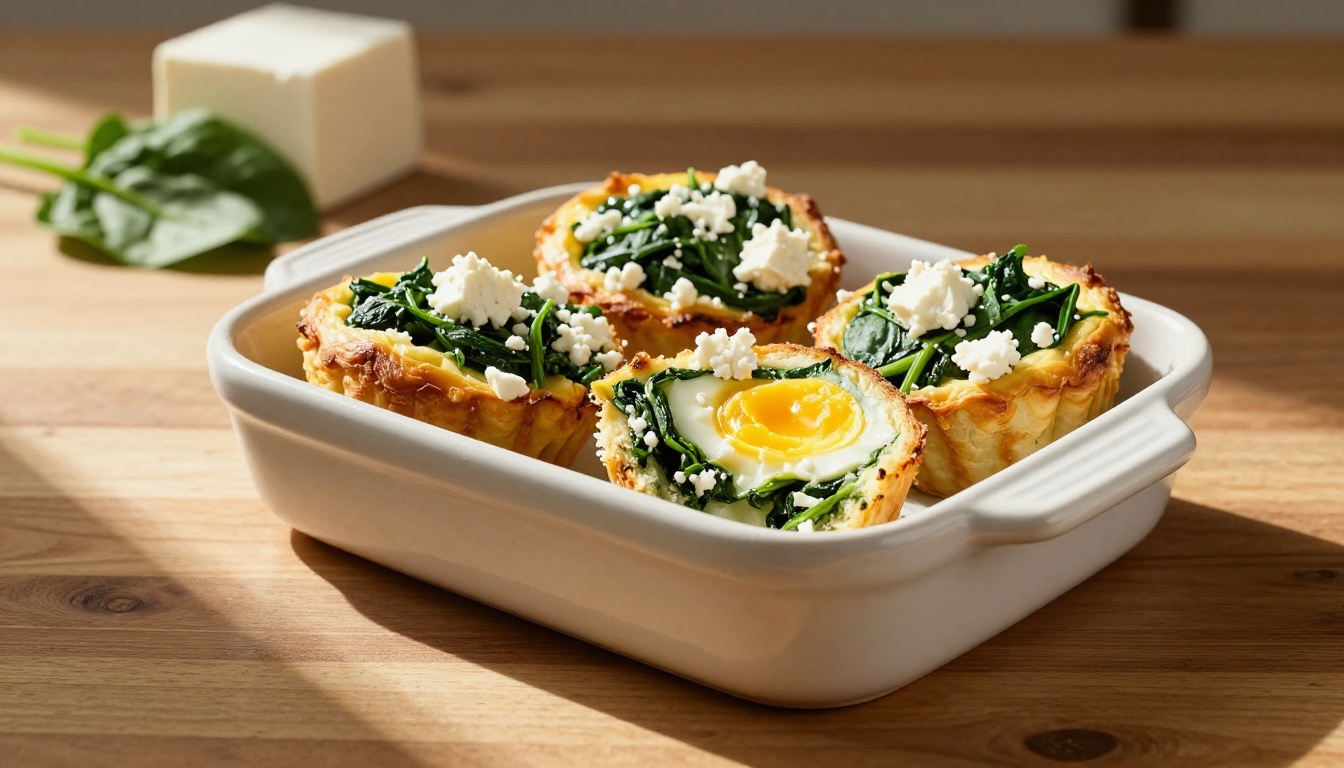
Tender eggs, green spinach, and salty feta turn an ordinary muffin pan into an easy breakfast you can grab on the way out the door. These easy spinach and feta egg muffins for breakfast are portable, satisfying, and simple enough to make before a busy week begins.
You only need a few ingredients, a 350°F oven, and a well-greased pan. Make a fresh batch for breakfast, pack a couple for lunch, or keep them ready for a quick afternoon snack.
Key Takeaways
- A standard 12-cup muffin pan makes portioned egg muffins that bake in about 20 minutes.
- Fresh spinach and feta need little seasoning because feta already brings plenty of salt.
- Grease the cups generously, and let the muffins cool briefly before removing them.
- Store cooled muffins in the refrigerator, then reheat gently until hot in the center.
- Small changes, such as scallions, peppers, or oregano, keep the basic recipe interesting.
Easy Spinach and Feta Egg Muffins for Breakfast
These easy spinach and feta egg muffins for breakfast have soft centers, lightly browned edges, and pockets of creamy feta throughout. The spinach adds color and a mild earthy flavor without making the recipe heavy.
They work well for meal prep because each muffin is already portioned. Serve one or two for a light breakfast, or add a side dish when you need something more substantial.
Recipe at a Glance
Yield: 12 egg muffins Prep time: 10 minutes Cook time: 18 to 25 minutes Total time: About 30 minutes
For one 12-cup batch, gather:
- 10 large eggs
- 1 1/2 cups fresh spinach, finely chopped
- 1/2 cup crumbled feta
- 1/4 cup milk, optional
- Olive oil or nonstick cooking spray
- 1/4 teaspoon black pepper
- A small pinch of salt
Feta can vary in saltiness, so start with a light hand. You can always add more seasoning after baking, but you can’t take it out once the muffins are cooked.
Ingredients That Keep the Egg Muffins Light and Flavorful
Eggs give the muffins their structure, while chopped spinach spreads evenly through every bite. Use 8 eggs for slightly smaller muffins or 10 eggs for a fuller 12-cup pan.
A splash of milk makes the egg mixture softer, although you can leave it out for a firmer texture. Crumbled feta melts into small savory pockets rather than disappearing into the eggs.
For extra flavor, add a pinch of garlic powder or dried oregano. Finely sliced scallions and chopped bell pepper also work well, provided you don’t overload the mixture with vegetables.

How to Make Spinach and Feta Egg Muffins Without Sticking
A good pan coating makes the difference between neat egg muffins and torn pieces left behind in the cups. Use olive oil or nonstick spray generously, especially around the upper edges where the eggs rise as they bake.
Silicone liners or a silicone muffin pan can make removal easier. Metal pans work well too, but they need more thorough greasing.
Mix and Bake the Egg Muffins
- Heat the oven to 350°F (180°C). Grease all 12 cups of a standard muffin pan.
- Chop the spinach finely. If the leaves feel damp after washing, pat them dry first.
- Crack the eggs into a large bowl. Whisk with pepper, a small pinch of salt, and milk if using.
- Fold in the spinach and feta. Add any small pieces of pepper, scallion, or dried herbs.
- Divide the mixture among the prepared cups. Fill each cup no more than three-quarters full.
- Bake for 18 to 25 minutes. The exact time depends on your pan, oven, and how full the cups are.
- Let the muffins cool in the pan for about 5 minutes. Then loosen the edges gently and lift them out.
Simple Signs the Egg Muffins Are Done
Look at the center, not only the timer. A finished muffin has a set middle with little or no jiggle, and lightly browned edges are normal.
Overbaking makes eggs rubbery, so remove the pan as soon as the centers are firm. If the middles still look wet or loose, return the pan to the oven for a few more minutes.
Watery muffins usually come from spinach that held too much moisture. Uneven cooking often happens when some cups are overfilled, while sticking usually points to too little oil or spray.
Fill each muffin cup only three-quarters full. Egg mixtures rise quickly, then settle as they cool.

Easy Ways to Customize, Store, and Reheat Your Breakfast Egg Muffins
The basic spinach and feta combination is flexible, but moisture control matters. Use thawed frozen spinach only after squeezing it very dry in a clean kitchen towel or several layers of paper towel.
You can also swap the milk for a spoonful of plain Greek yogurt. Try another crumbly cheese, such as goat cheese, if feta isn’t on hand. Chop firm vegetables small, and avoid loading the eggs with watery ingredients.
Cool the muffins before transferring them to an airtight container. For the safest storage window, follow USDA leftover storage guidance and refrigerate them for 3 to 4 days.
Flavor Combinations to Try Next
Keep the spinach and feta base, then add one extra flavor direction:
- Mix in roasted red pepper for a sweeter, colorful version.
- Add scallion for a mild onion flavor that works well for children.
- Stir in chopped sun-dried tomato for a richer savory bite.
- Use dried oregano, garlic powder, and extra black pepper for a stronger Mediterranean-style batch.
Add small amounts at first. Too many additions can crowd the egg mixture and make the muffins harder to cook evenly.
How to Serve Egg Muffins for a More Filling Breakfast
One or two muffins can make a light breakfast with fresh berries, orange slices, or a banana. For a more filling plate, pair them with whole-grain toast, avocado, roasted potatoes, or plain yogurt.
They also travel well when cooled and packed in a container. However, cooked eggs shouldn’t sit at room temperature for long, especially in a warm car or lunch bag without an ice pack.
For reheating, warm one refrigerated muffin gently in the microwave until hot throughout. Check the center before eating, since microwave heating can vary from one muffin to the next.
Frequently Asked Questions
Can I use frozen spinach instead of fresh?
Yes, frozen spinach works well in these egg muffins. Thaw it completely, then squeeze out as much liquid as possible before adding it to the eggs.
Excess water can leave the muffins soft and watery. Dry spinach gives the eggs a better chance to set cleanly.
Why do my egg muffins collapse after baking?
A little settling is normal because cooked eggs puff in the oven and relax as they cool. The muffins will still taste good and hold together well.
Overbeating the eggs, using too much liquid, or baking too long can make the collapse more noticeable. Whisk only until combined, measure the additions carefully, and remove the pan once the centers are set.
Can I make these egg muffins without milk?
Yes, milk is optional. The eggs will cook properly without it and will have a slightly firmer texture.
If you prefer a softer result, add a small splash of milk or a spoonful of plain Greek yogurt. Keep the amount modest so the muffins don’t become too wet.
Can I freeze spinach and feta egg muffins?
You can freeze them, although they may be a little less tender after thawing. Let the muffins cool completely, wrap them well, and store them in a freezer-safe container.
Thaw them in the refrigerator before reheating until hot. Freezing is useful when you want breakfast ready beyond the usual refrigerated leftover window.
How can I keep egg muffins from sticking to the pan?
Grease the pan generously, paying close attention to the sides and rim of every cup. Silicone liners or a silicone pan can also help the muffins release more cleanly.
Wait about 5 minutes before removing them. That short rest lets the eggs firm up enough to lift out without tearing.
For added egg-handling guidance, review the USDA’s advice on safe shell egg storage and preparation.
A Breakfast Worth Making Ahead
Spinach and feta egg muffins bring simple ingredients together in one pan, then give you several breakfasts with almost no morning prep. Start with the basic eggs, spinach, and feta, and keep the seasoning light so the cheese stays in balance.
Once you know the timing that works in your oven, adjust the vegetables and herbs to suit your taste. A prepared container of egg muffins can make busy mornings feel far less rushed.
-

 Manchester United9 months ago
BREAKING NEWS: “I didn’t leave Manchester United because of Ruben Amorim. I left because of this particular player. The way he treated me in the dressing room was unacceptable. If I’m to return, then he has to leave.”
-
Manchester United9 months ago
BREAKING NEWS: “WE WERE TOO HARSH ON HIM” — SIR ALEX FERGUSON URGES MANCHESTER UNITED TO BRING BACK OLE GUNNAR SOLSKJÆR TO OLD TRAFFORD.
-

 Barcelona1 year ago
Breaking News: Anfield is buzzing with excitement! Raphinha has reached a personal agreement with Liverpool. Barcelona is reportedly willing to let him go, and in a recent interview, Raphinha hinted at his admiration for the incoming manager, saying, “If Arne Slot calls, you pick up.”
-

 Premier League1 year ago
Xavi Hernandez has officially signed a three-year contract to become the new head coach of a Premier League club, stepping in after the departure of the previous manager
-
 Real Madrid1 year ago
Jurgen Klopp Reveals Why He Accepted Real Madrid’s Offer to Replace Carlo Ancelotti
-
Liverpool1 year ago
Despite the heartbreak caused by Diogo Jota’s tragic accident, Liverpool FC has brought a glimmer of hope to his grieving family — especially his wife and the three beautiful kids he left behind
-

 Manchester United1 year ago
I’m not suppose to be doing this but as A captain it pains me to see such a great player with potential leave our club,I shed tears when the INEOS announced His departure,this very unfair of Him”, Bruno Fernandez broke down in tears as INEOS confirmed another Man united player departure by the summer
-
Manchester United1 year ago
BREAKING NEWS: Lisandro Martinez spotted in Man United training yesterday as Club doctor confirmed Him fit to start against Lyon – Congratulations Man United fans