
Dinner recipes
Creamy Garlic Parmesan Chicken With a Silky Skillet Sauce

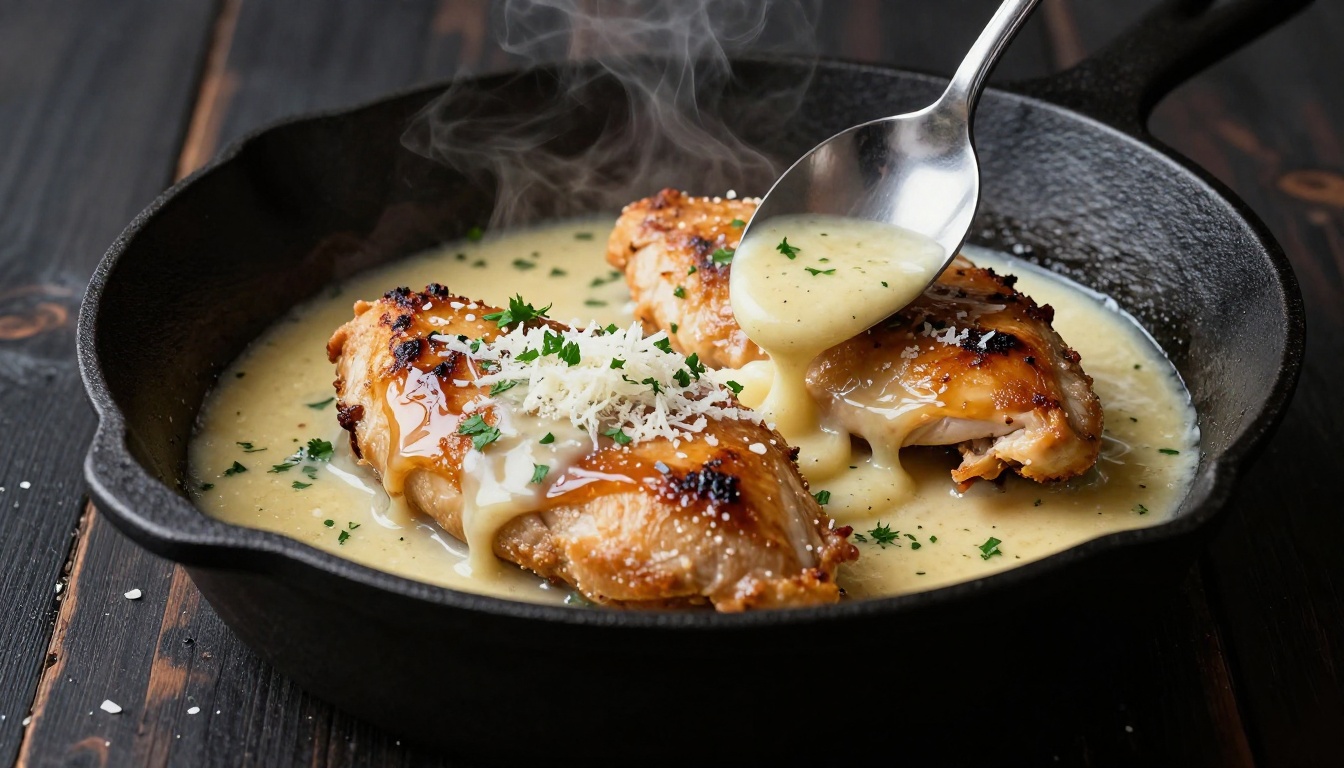
A good chicken dinner can turn disappointing when the meat is dry or the sauce turns grainy. With creamy garlic Parmesan chicken, you can avoid both by cooking thin cutlets first, then building the sauce in the same skillet.
The browned bits left in the pan give the sauce its savory depth. A gentle simmer and a final stir of Parmesan keep it smooth. Here’s how to get dinner onto the table without losing either the golden crust or the creamy finish.
Key Takeaways
- Slice chicken breasts into thinner, even cutlets so they cook at a similar rate.
- Brown the chicken before adding any sauce ingredients. The skillet’s browned bits add flavor.
- Simmer the cream gently, then stir in Parmesan after taking the pan off the heat.
- Check the thickest part of the chicken with a thermometer. The safe minimum is 165°F.
This is a one-skillet main dish, but the order matters. Once the chicken is cooked, the sauce comes together in the pan while the meat rests.
Ingredients for the Chicken and Sauce
The ingredient list is short, so choose a Parmesan you like eating. Freshly grated cheese melts more readily than shreds coated to keep them separate in a bag.
For the chicken
Use boneless, skinless chicken breasts, olive oil, salt, black pepper, and garlic powder. The garlic powder seasons the chicken itself; fresh garlic goes into the sauce later.
Butter adds flavor when you start the sauce. Keep the olive oil for searing, since the skillet needs to get hot enough to brown the chicken. If your breasts are thick at one end, cut them into thinner pieces before they reach the pan. Uneven pieces are harder to cook without drying out the narrow end.
For the garlic Parmesan sauce
You’ll need fresh garlic, all-purpose flour, chicken broth, heavy cream, and freshly grated Parmesan. Flour gives the sauce a little body, while broth loosens the browned bits stuck to the skillet. Heavy cream supplies the smooth texture.
Choose a lower-sodium broth if you want more control over the final seasoning. Parmesan and broth both add salt, so taste the sauce before adding more. Fresh parsley is an optional finish; it brings a little color and freshness to a rich plate.
Prepare the Chicken Before Heating the Skillet
Slice each breast horizontally into thinner cutlets, then check that the pieces are reasonably even. If one area is still much thicker, gently flatten it. Pat the surfaces dry with paper towels and season both sides with salt, pepper, and garlic powder.
Set a clean plate near the stove for the cooked chicken. Keep that plate separate from anything that held the raw meat. Also, grate the Parmesan and mince the garlic now. Once the chicken leaves the skillet, the garlic can brown quickly, and you won’t want to stop to prepare ingredients.
A wide skillet gives the cutlets room to sear. If they won’t fit without overlapping, cook them in batches. Crowding traps steam and makes browning harder.
How to Make Creamy Garlic Parmesan Chicken
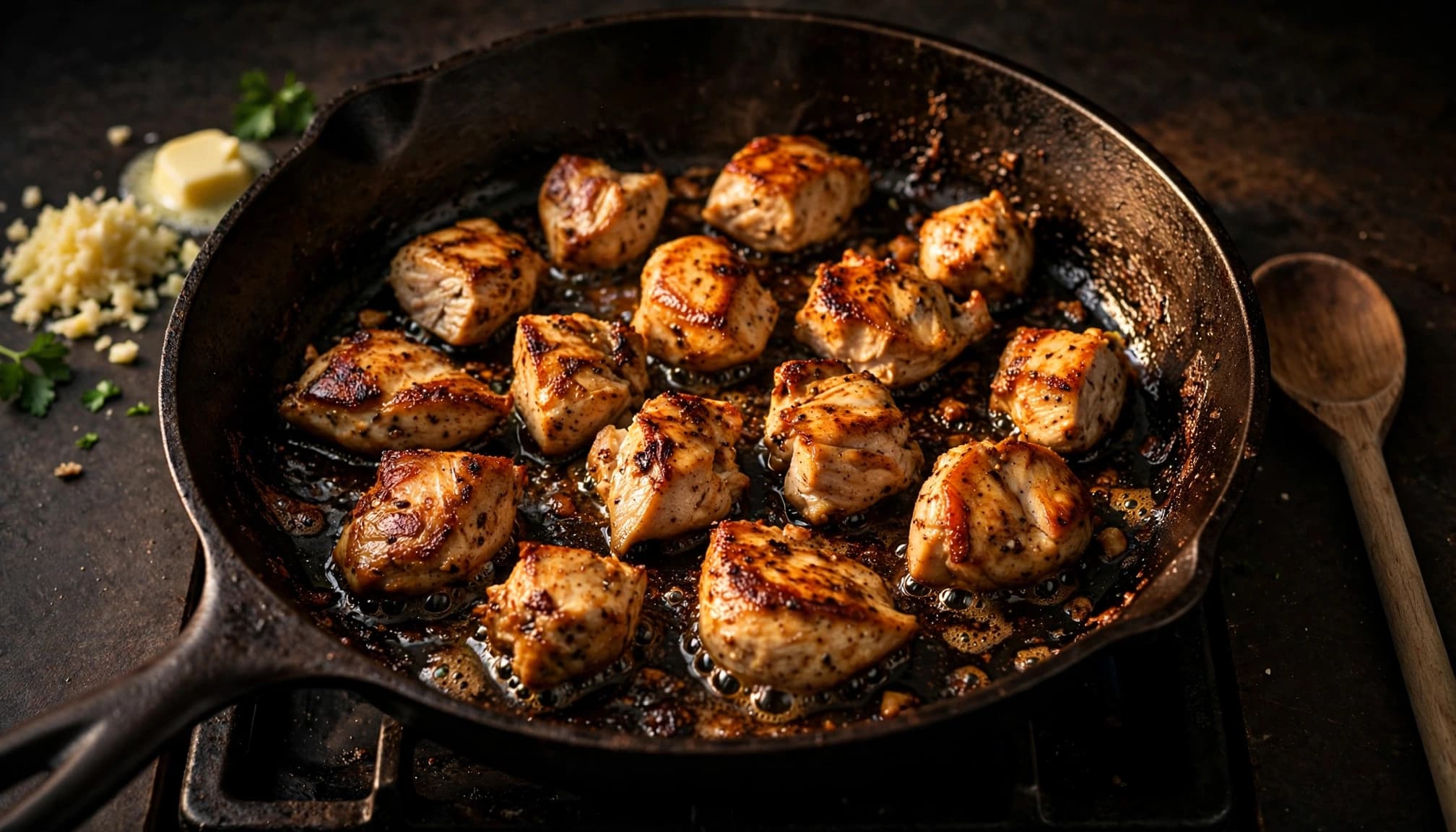
Sear the cutlets until golden
Warm olive oil in the skillet over medium-high heat. Add the chicken in a single layer and leave it alone long enough to develop color. For thin cutlets, about 5 to 6 minutes per side is a useful guide, but thickness and stove heat can change the timing.
Turn the pieces once the first side releases easily from the pan. Check the thickest part with a food thermometer rather than relying on color or time alone. The USDA’s safe temperature chart lists 165°F as the minimum internal temperature for poultry. Transfer the cooked chicken to the clean plate, and keep any juices it releases.
Build the sauce in the same pan
Lower the heat and add butter. Stir in the minced garlic and flour, cooking for about a minute. The garlic should smell fragrant, but it shouldn’t turn dark brown. If the skillet looks too hot, move it briefly off the burner before adding them.
Pour in chicken broth gradually while scraping the skillet’s browned bits with a wooden spoon. Let the broth reduce by about half, then add the heavy cream. A gentle simmer will bring the ingredients together without boiling the dairy. The browned bits are worth keeping: they’re the foundation of a good pan sauce, as the technique in Serious Eats’ pan-roasted chicken recipe shows.
Keep the Parmesan Sauce Smooth
The sauce should coat a spoon but still flow around the chicken. Watch the heat more closely here than you did during searing.
Add the cheese away from direct heat
Once the cream has simmered gently and the sauce has thickened, take the skillet off the heat. Add freshly grated Parmesan in small additions, stirring until each addition melts before adding more. High heat can make a cheese sauce look grainy or oily, so resist the urge to bring it to a hard boil.
A sauce that looks slightly thin in the skillet may thicken further as it cools. Give it a moment before adding more cheese or flour.
Return the chicken and its resting juices to the skillet. Spoon sauce over the cutlets and warm them gently if needed, without boiling the sauce.
Adjust the texture before serving
If the sauce gets thicker than you’d like, stir in a splash of broth until it loosens. If it seems thin, let it simmer briefly before adding the Parmesan, rather than trying to fix it with a large handful of cheese.
Taste at the end. Parmesan may supply all the salt you need, while a little black pepper can sharpen the flavor. For this creamy garlic Parmesan chicken, that final taste is more reliable than seasoning the finished sauce by habit.
Change the Flavor Without Losing the Method
Garlic and Parmesan make a strong base for small additions. Stir in chopped spinach near the end and let it wilt before returning the chicken. Sautéed mushrooms also fit the sauce, but cook them after the chicken and before the garlic so their moisture doesn’t water down the finished skillet.
For a brighter finish, add a little lemon juice after the cheese has melted. Start cautiously and taste; too much can overpower the garlic. Fresh parsley offers a milder contrast.
Sun-dried tomatoes are another option if you want a more pronounced, tangy sauce. They feature in the Serious Eats creamy sun-dried tomato chicken, which also pairs garlic, Parmesan, and cream. If you add them here, consider their saltiness before adjusting the seasoning. Keep the cream at a gentle simmer whichever variation you choose.
What to Serve With Garlic Parmesan Chicken
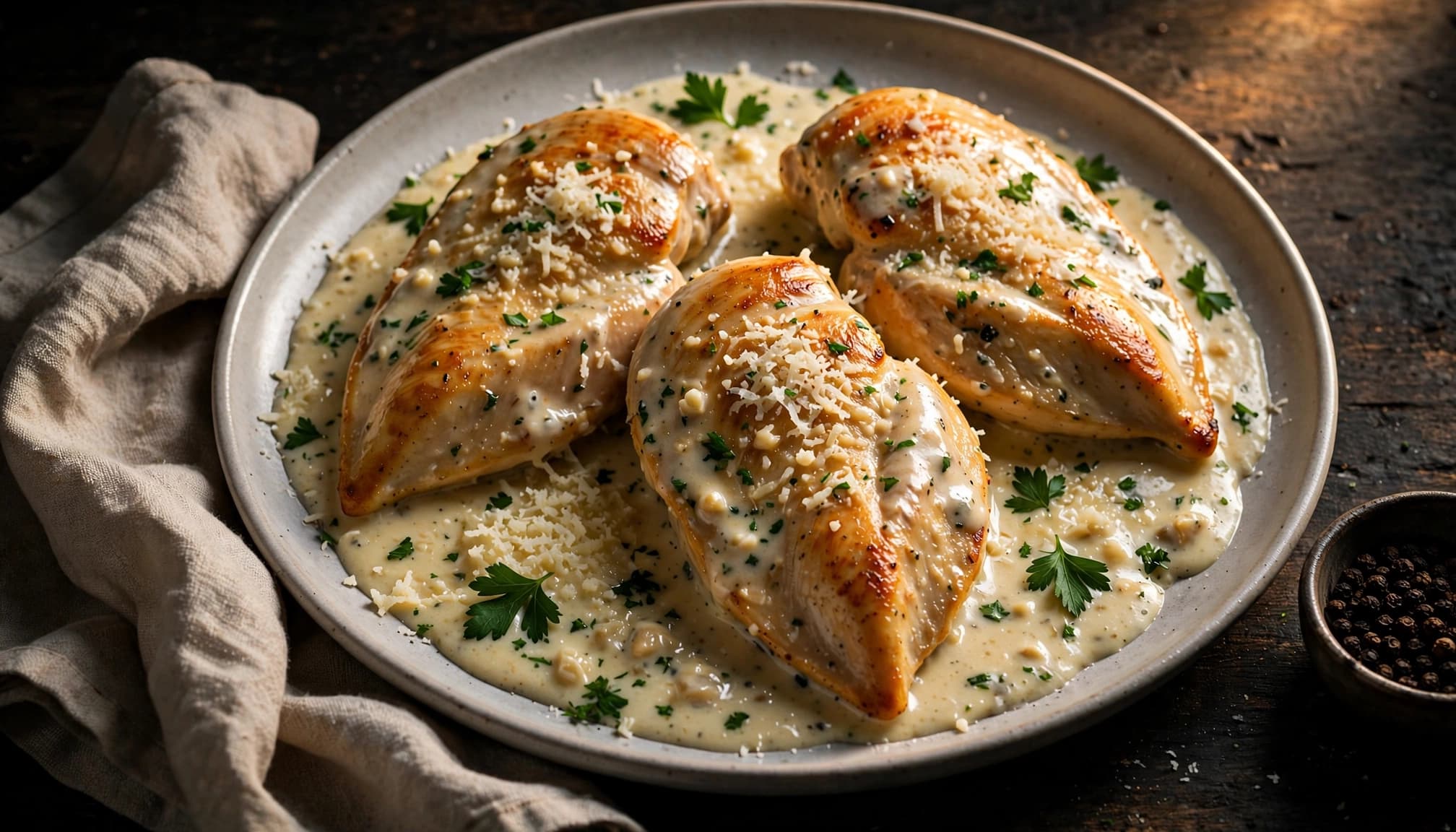
Pasta is an easy match because it catches the sauce. Spoon the chicken over fettuccine, penne, or another shape with enough surface to hold a creamy coating. For a separate pasta dinner built around chicken and sauce, Serious Eats’ chicken and penne recipe offers a different take.
Mashed potatoes or rice work when you want every spoonful of sauce accounted for. For contrast, serve the chicken with roasted broccoli, green beans, or a simple green salad. Those sides give the rich sauce some room on the plate without competing with the garlic.
If you’re serving pasta, save a little of its cooking water. A small splash can help loosen sauce that thickens while you bring everything to the table.
Store and Reheat Leftovers Gently
Let leftovers cool briefly, then refrigerate the chicken and sauce in an airtight container. Keeping the sauce with the chicken helps prevent the cutlets from drying out.
Reheat over low heat in a skillet, adding a splash of broth or cream if the sauce has tightened in the refrigerator. Stir the sauce gently and avoid a vigorous boil. The microwave works when you’re short on time, but use short intervals and check the chicken between them so the edges don’t overcook.
If the sauce looks separated after reheating, remove it from the heat and stir in a small splash of warm broth. It may not return to its original texture completely, but gentle heat gives it the best chance.
Frequently Asked Questions
Can I use boneless chicken thighs instead of breasts?
Yes. Boneless thighs are a good choice if you prefer darker meat. Their shape and thickness can vary, so use a thermometer rather than the cutlet timing above. Cook them to 165°F before adding them to the finished sauce.
What can I use if I don’t have chicken broth?
Water will loosen the browned bits, though the sauce will have less savory flavor. Taste carefully at the end because the broth normally contributes seasoning. If you have a suitable unsalted stock, that works as well.
Can I replace heavy cream with half-and-half?
You can try it, but the sauce will be thinner and less forgiving over heat. Keep it at a very gentle simmer and add the Parmesan off heat. Heavy cream is the more dependable choice when you want a rich, smooth coating.
Can I freeze the finished dish?
You can freeze it, but cream sauces may separate or turn grainy after thawing. For the best texture, make the dish fresh or refrigerate leftovers instead. If you do freeze it, thaw it in the refrigerator and reheat gently with a little broth.
Why won’t my Parmesan melt smoothly?
Pre-shredded cheese may contain anti-caking ingredients, and an overheated sauce can also turn grainy. Grate Parmesan finely from a block, then stir it in after removing the skillet from the burner. Add it gradually so it has time to melt into the cream.
A Skillet Dinner Worth Repeating
The difference between dry chicken and a dinner you’ll want again comes down to a few small decisions. Give the cutlets room to brown, check them with a thermometer, and keep the sauce below a boil.
Once the Parmesan melts into the warm cream, spoon the sauce over the chicken and serve it while it’s glossy. Good heat control does the work that a longer ingredient list can’t.
-

 Manchester United9 months ago
BREAKING NEWS: “I didn’t leave Manchester United because of Ruben Amorim. I left because of this particular player. The way he treated me in the dressing room was unacceptable. If I’m to return, then he has to leave.”
-
Manchester United9 months ago
BREAKING NEWS: “WE WERE TOO HARSH ON HIM” — SIR ALEX FERGUSON URGES MANCHESTER UNITED TO BRING BACK OLE GUNNAR SOLSKJÆR TO OLD TRAFFORD.
-

 Barcelona1 year ago
Breaking News: Anfield is buzzing with excitement! Raphinha has reached a personal agreement with Liverpool. Barcelona is reportedly willing to let him go, and in a recent interview, Raphinha hinted at his admiration for the incoming manager, saying, “If Arne Slot calls, you pick up.”
-

 Premier League1 year ago
Xavi Hernandez has officially signed a three-year contract to become the new head coach of a Premier League club, stepping in after the departure of the previous manager
-
 Real Madrid1 year ago
Jurgen Klopp Reveals Why He Accepted Real Madrid’s Offer to Replace Carlo Ancelotti
-
Liverpool1 year ago
Despite the heartbreak caused by Diogo Jota’s tragic accident, Liverpool FC has brought a glimmer of hope to his grieving family — especially his wife and the three beautiful kids he left behind
-

 Manchester United2 years ago
I’m not suppose to be doing this but as A captain it pains me to see such a great player with potential leave our club,I shed tears when the INEOS announced His departure,this very unfair of Him”, Bruno Fernandez broke down in tears as INEOS confirmed another Man united player departure by the summer
-
Manchester United1 year ago
BREAKING NEWS: Lisandro Martinez spotted in Man United training yesterday as Club doctor confirmed Him fit to start against Lyon – Congratulations Man United fans