
Dinner recipes
Easy Cabbage Alfredo Recipe for a Creamy Weeknight Dinner

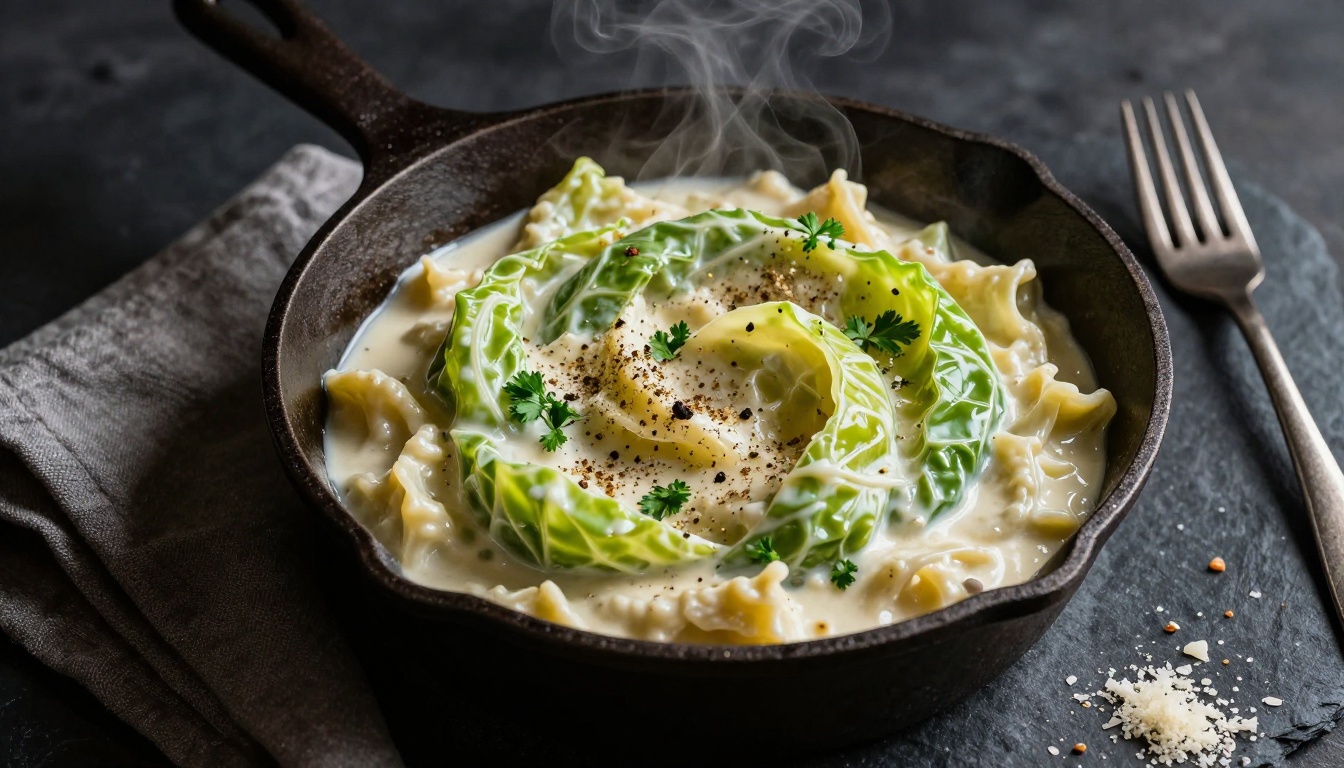
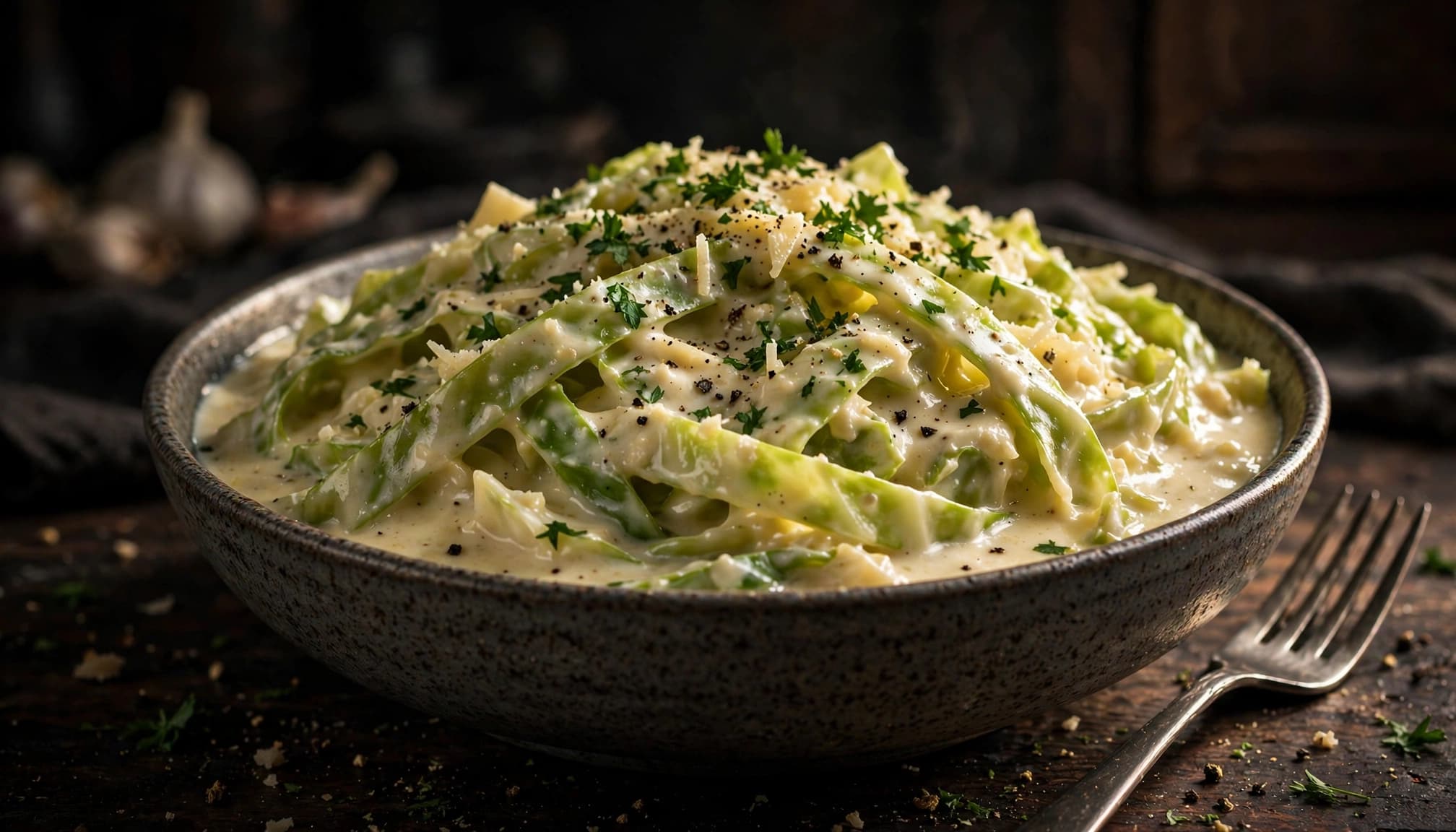
Tender cabbage ribbons coated in a rich garlic Parmesan sauce make a surprisingly satisfying bowl of comfort food. This cabbage Alfredo recipe comes together in one skillet, tastes indulgent, and gives you the choice of serving it alone or mixing it with pasta.
Use it as a lower-carb alternative to a classic fettuccine Alfredo, or stretch it into a heartier family meal with penne, chicken, or shrimp. A few careful steps, especially draining the cabbage well and melting the cheese over gentle heat, keep the sauce creamy instead of watery.
Key Takeaways
- Green cabbage has enough structure to hold a creamy Alfredo sauce without turning soft too quickly.
- Freshly grated Parmesan and low heat make the difference between a glossy sauce and a grainy one.
- Serve the dish right away, then reheat leftovers slowly with a small splash of milk or cream.
Easy Cabbage Alfredo Recipe: Ingredients and Simple Swaps
This recipe makes about four servings as a side dish or two to three generous main-course servings. Gather one medium green cabbage, 2 tablespoons butter or olive oil, 3 minced garlic cloves, 1 cup heavy cream, and 1 cup freshly grated Parmesan.
Season with salt and black pepper. A pinch of nutmeg adds warmth, while a little lemon zest brightens the sauce near the end.
Green cabbage works best because its leaves are mild, inexpensive, and sturdy enough for the skillet. Cut the cabbage into quarters, slice away the dense core, then cut the leaves into thin ribbons or bite-size pieces. Similar-size pieces soften at the same rate.
Fresh Parmesan melts more smoothly than shelf-stable pre-grated cheese, which often contains anti-caking ingredients. Half-and-half can replace part of the heavy cream, although the sauce will be thinner. For a lighter version, use milk with a few tablespoons of cream cheese for added body.
Choosing Cabbage, Pasta, and Parmesan for the Best Texture
Cabbage can replace pasta completely, which makes the dish less carbohydrate-heavy than a traditional Alfredo bowl. However, combining cabbage with fettuccine, penne, or another short pasta creates a more familiar dinner and feeds more people.
Savoy cabbage also works, but its crinkled leaves soften faster than green cabbage. If pasta is on the menu, reserve at least 1/2 cup of its cooking water before draining. That starchy water loosens a thick sauce without diluting it as quickly as plain water.
Flavorful Add-Ins for a More Complete Meal
Mushrooms, peas, red pepper flakes, parsley, lemon juice, bacon, or pancetta all fit naturally with garlic Parmesan sauce. A squeeze of lemon is especially useful when the finished dish tastes rich but flat.
Cook chicken, shrimp, bacon, and pancetta separately, then stir them in at the end. That approach keeps the cabbage from overcooking while the protein stays properly browned or crisp.
How to Make Cabbage Alfredo on the Stovetop
This cabbage Alfredo takes about 20 to 30 minutes, depending on how you cut the cabbage and whether you add pasta.
- Slice the cabbage, then rinse it in a colander. Let it drain well. For the driest result, pat it with a clean kitchen towel or press it gently between paper towels.
- Bring a wide pot of salted water to a boil and cook the cabbage for 4 to 5 minutes, until tender with a little bite left. Drain it thoroughly. You can also saute the raw cabbage in a wide skillet with a little oil for 8 to 10 minutes.
- In a large skillet, melt the butter over medium-low heat. Add the garlic and stir for 30 seconds to 1 minute, just until fragrant. Don’t let it brown, because browned garlic can make the cream sauce taste bitter.
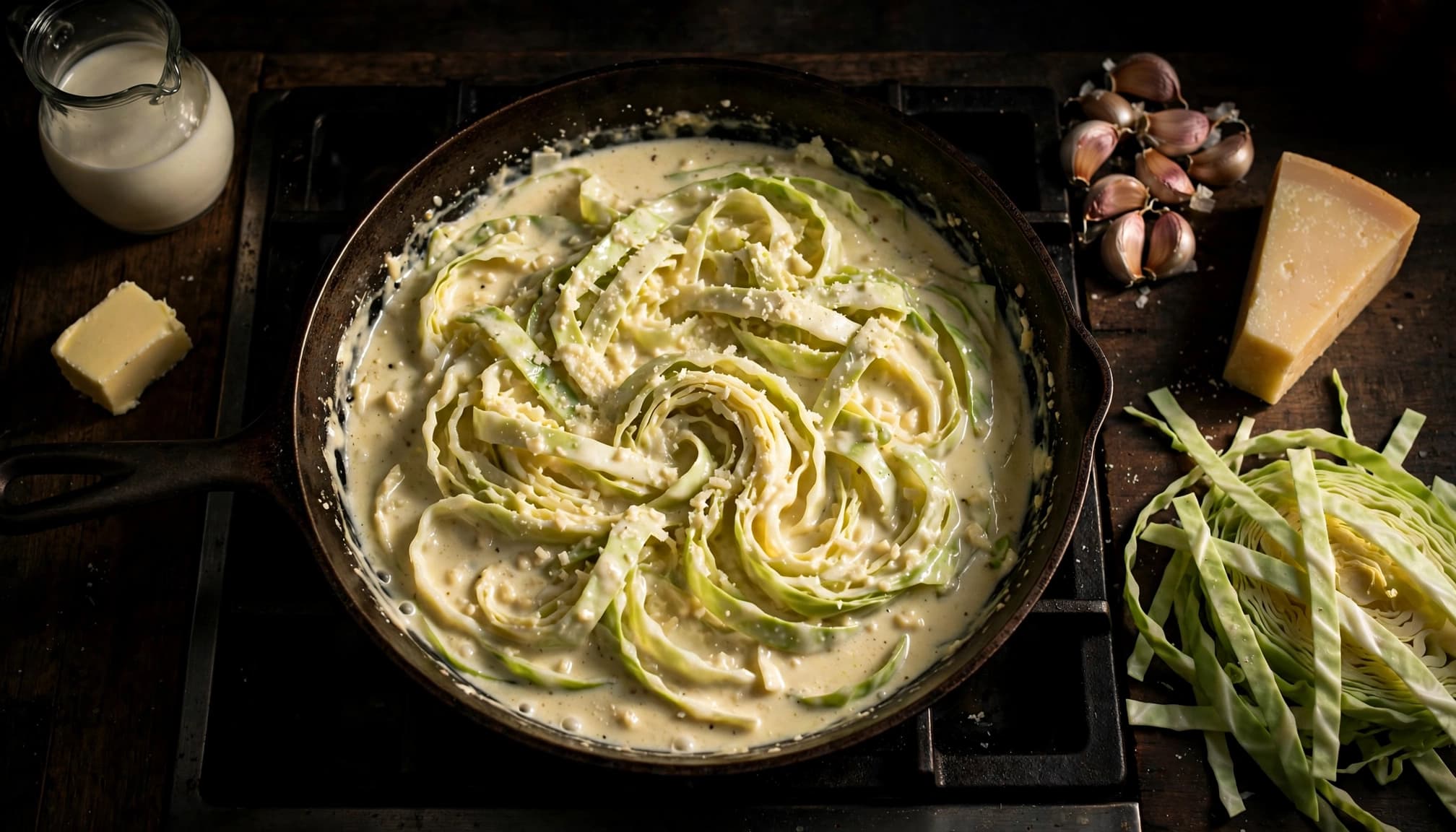
- Pour in the heavy cream, then bring it to a gentle simmer. Cook for 4 to 5 minutes, stirring often, until it lightly coats a spoon. Keep the heat moderate rather than letting the cream boil hard.
- Lower the heat or move the pan off the burner. Add Parmesan in small handfuls, stirring constantly after each addition. Once the sauce looks smooth, season with black pepper, salt if needed, and nutmeg or lemon zest.
- Fold in the drained cabbage and any cooked pasta. If the sauce feels tight, add reserved pasta water one tablespoon at a time. Use milk or a splash of cream if you did not cook pasta.
The Key to Silky, Lump-Free Alfredo Sauce
Gentle heat matters more than speed. Cream that boils aggressively can separate, while Parmesan added to a thin, very hot sauce can form clumps instead of melting evenly.
Remove the skillet from direct heat before adding the cheese, then stir without stopping. The finished sauce should look glossy and coat the cabbage, yet still slide easily from the spoon. It will thicken a little more after it leaves the stove.
Parmesan needs residual heat, not a rolling boil, to melt into a smooth Alfredo sauce.
Common Mistakes and Quick Sauce Fixes
Wet cabbage is the usual reason a sauce turns watery. Drain it well after boiling, and don’t cover it in the skillet once the sauce is ready. Steam trapped under a lid quickly thins the cream.
Stop cooking when the cabbage is tender but still has some structure. Overcooked cabbage becomes soft and releases more moisture. If the sauce is too thick, add pasta water, milk, or cream one tablespoon at a time. If it is too thin, simmer it briefly before adding more Parmesan, since reducing it too far can leave it heavy and salty.
Serving Ideas, Storage, and Nutrition for Cabbage Alfredo
Serve cabbage Alfredo immediately while the sauce is warm and smooth. Finish each portion with parsley, extra Parmesan, cracked black pepper, lemon zest, or toasted breadcrumbs for crunch.
A green salad or roasted vegetables keep the meal balanced. Garlic bread works well for a pasta-style dinner, while grilled chicken makes a cabbage-only bowl more substantial.
Cabbage Alfredo is generally lower in carbohydrates without pasta, but it is still rich and calorie-dense because of the butter, cream, and cheese. For leftover safety, refrigerate the dish within two hours, or within one hour if the temperature is above 90 F, following the USDA’s food safety basics. Store it in a sealed container and eat it within the USDA’s recommended three to four days.
How to Make This Comforting Dish Lighter or More Filling
For a lighter dinner, use less butter, replace part of the cream with milk, and add more cabbage or sauteed mushrooms. Since those swaps reduce fat, the sauce may need a little extra Parmesan to stay thick enough to cling.
For a more filling plate, toss cabbage Alfredo with pasta or add chicken, shrimp, crispy bacon, or pancetta. Pasta water helps bring a thickened sauce back together after adding these ingredients.
Toppings That Add Contrast
Creamy food benefits from a fresh or crisp finish. Parsley and lemon zest cut through the richness, while toasted breadcrumbs give each bite a little texture without changing the dish’s main flavor.
Red pepper flakes add gentle heat. Use them sparingly at first, since the heat becomes more noticeable after the sauce rests.
Frequently Asked Questions
Can you freeze cabbage Alfredo?
Freezing is possible, but the texture will change. Cream sauces can separate after thawing, and cabbage releases water as it defrosts. Refrigerated leftovers are the better option when you plan to eat them within a few days.
Can I use bagged coleslaw mix for cabbage Alfredo?
Yes, but choose a mix made only of shredded cabbage when possible. Many bags include carrots, which add sweetness and turn softer than the cabbage. Because bagged shreds are thin, cook them for less time.
Does cabbage Alfredo taste like regular fettuccine Alfredo?
The garlic Parmesan sauce has the familiar creamy flavor, but cabbage brings a mild sweetness and a softer bite than pasta. Pairing it with fettuccine or penne gives the finished dish a closer pasta Alfredo feel.
What is the best pan for this recipe?
A wide skillet gives the cabbage room to cook without trapping too much steam. A heavy stainless steel or nonstick skillet both work well, as long as you keep the heat low after adding the Parmesan.
How do I reheat leftover cabbage Alfredo without breaking the sauce?
Warm it in a skillet over low heat, stirring often with a splash of milk or cream. The sauce may not become as silky as it was fresh, so avoid high heat. Keep leftovers out of the food safety danger zone by chilling them promptly and reheating only the portion you plan to eat.
A Creamy Dinner Worth Repeating
Cabbage Alfredo works because it treats cabbage as more than a substitute. When it is cut evenly, drained well, and folded into a glossy garlic Parmesan sauce, it becomes a comforting meal with real texture.
Keep the heat gentle, grate the Parmesan fresh, and serve the dish before the sauce tightens too much. Those small choices give this cabbage Alfredo its creamy finish every time.
-

 Manchester United9 months ago
BREAKING NEWS: “I didn’t leave Manchester United because of Ruben Amorim. I left because of this particular player. The way he treated me in the dressing room was unacceptable. If I’m to return, then he has to leave.”
-
Manchester United9 months ago
BREAKING NEWS: “WE WERE TOO HARSH ON HIM” — SIR ALEX FERGUSON URGES MANCHESTER UNITED TO BRING BACK OLE GUNNAR SOLSKJÆR TO OLD TRAFFORD.
-

 Barcelona1 year ago
Breaking News: Anfield is buzzing with excitement! Raphinha has reached a personal agreement with Liverpool. Barcelona is reportedly willing to let him go, and in a recent interview, Raphinha hinted at his admiration for the incoming manager, saying, “If Arne Slot calls, you pick up.”
-

 Premier League1 year ago
Xavi Hernandez has officially signed a three-year contract to become the new head coach of a Premier League club, stepping in after the departure of the previous manager
-
 Real Madrid1 year ago
Jurgen Klopp Reveals Why He Accepted Real Madrid’s Offer to Replace Carlo Ancelotti
-
Liverpool1 year ago
Despite the heartbreak caused by Diogo Jota’s tragic accident, Liverpool FC has brought a glimmer of hope to his grieving family — especially his wife and the three beautiful kids he left behind
-

 Manchester United1 year ago
I’m not suppose to be doing this but as A captain it pains me to see such a great player with potential leave our club,I shed tears when the INEOS announced His departure,this very unfair of Him”, Bruno Fernandez broke down in tears as INEOS confirmed another Man united player departure by the summer
-
Manchester United1 year ago
BREAKING NEWS: Lisandro Martinez spotted in Man United training yesterday as Club doctor confirmed Him fit to start against Lyon – Congratulations Man United fans