
Dinner recipes
Easy Fermented Cabbage Recipe for a Tangy Homemade Side

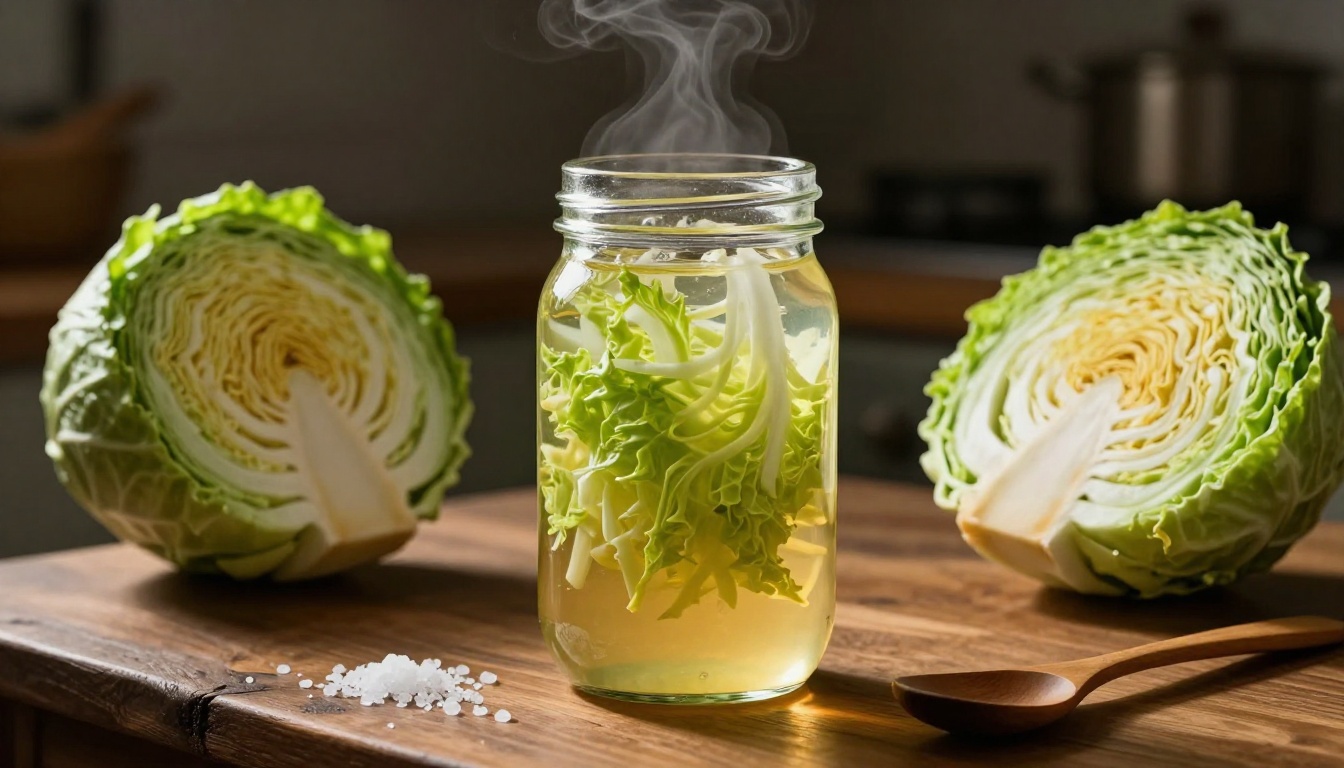
Fermented cabbage turns one humble vegetable into a crisp, sharp side that can wake up almost any savory meal. This easy fermented cabbage recipe needs cabbage, salt, time, and a clean jar, yet a few small details make a major difference.
The most reliable habit is weighing the cabbage before adding salt. You will get a repeatable result, enough brine to cover the shreds, and a batch that tastes balanced rather than aggressively salty.
Follow the measurements, watch the jar during its active first days, and let your own taste decide when it is ready.
Key Takeaways
- Weigh the cabbage, then use 2 grams of non-iodized salt for every 100 grams of cabbage.
- Massage the salted cabbage until it releases enough liquid to create brine.
- Pack firmly and keep every shred beneath the brine throughout fermentation.
- Keep the jar at a moderate room temperature, ideally 64 to 72 degrees F.
- Expect a small batch to take two to four weeks, although a cool kitchen can stretch that to five or six weeks.
- Refrigerate the cabbage once it tastes pleasantly sour and use clean utensils when serving.
A small first batch is easier to inspect, taste, and adjust next time.
Start With a Clean Jar and a Manageable Batch
Wash your jar, lid, bowl, knife, and cutting board with hot soapy water, then rinse them well. The equipment does not need to be laboratory-sterile, but it should be clean and free of food residue.
Choose a wide-mouth glass jar that holds at least 1.5 quarts. A 1-quart jar can work for smaller amounts, although it leaves less room for brine and fermentation activity. Keep a plate under the jar because active cabbage can bubble over during the first few days.
Use fresh, firm cabbage with tight leaves. Green cabbage gives the classic pale, tangy result, while red cabbage makes a brighter purple batch. Avoid cabbage with slimy patches, a strong off smell, or extensive bruising.
Salt matters as much as the cabbage. Use non-iodized canning, pickling, or fine sea salt without anti-caking additives. Table salt can vary in crystal size, which makes volume measurements less dependable.
Easy Fermented Cabbage Recipe for a Tangy Homemade Side
This batch makes about 1 quart of sauerkraut-style cabbage, enough for several meals. It takes about 20 minutes to prepare, then ferments at 64 to 72 degrees F for roughly two to four weeks.
Ingredients
- 1 kilogram (2.2 pounds) green or red cabbage
- 20 grams non-iodized canning or pickling salt
- 1 teaspoon caraway seeds, optional
- Clean 1.5-quart glass fermentation jar
- Fermentation weight or reserved cabbage leaf
A kitchen scale is better than measuring salt with spoons because salt crystals vary in size and density. This recipe uses a 2% salt ratio, or 20 grams per kilogram of cabbage. Published methods vary, so it helps to choose one formula and measure it consistently. For comparison, Penn State Extension’s sauerkraut method uses a somewhat higher salt ratio.
How to Shred, Salt, and Massage the Cabbage
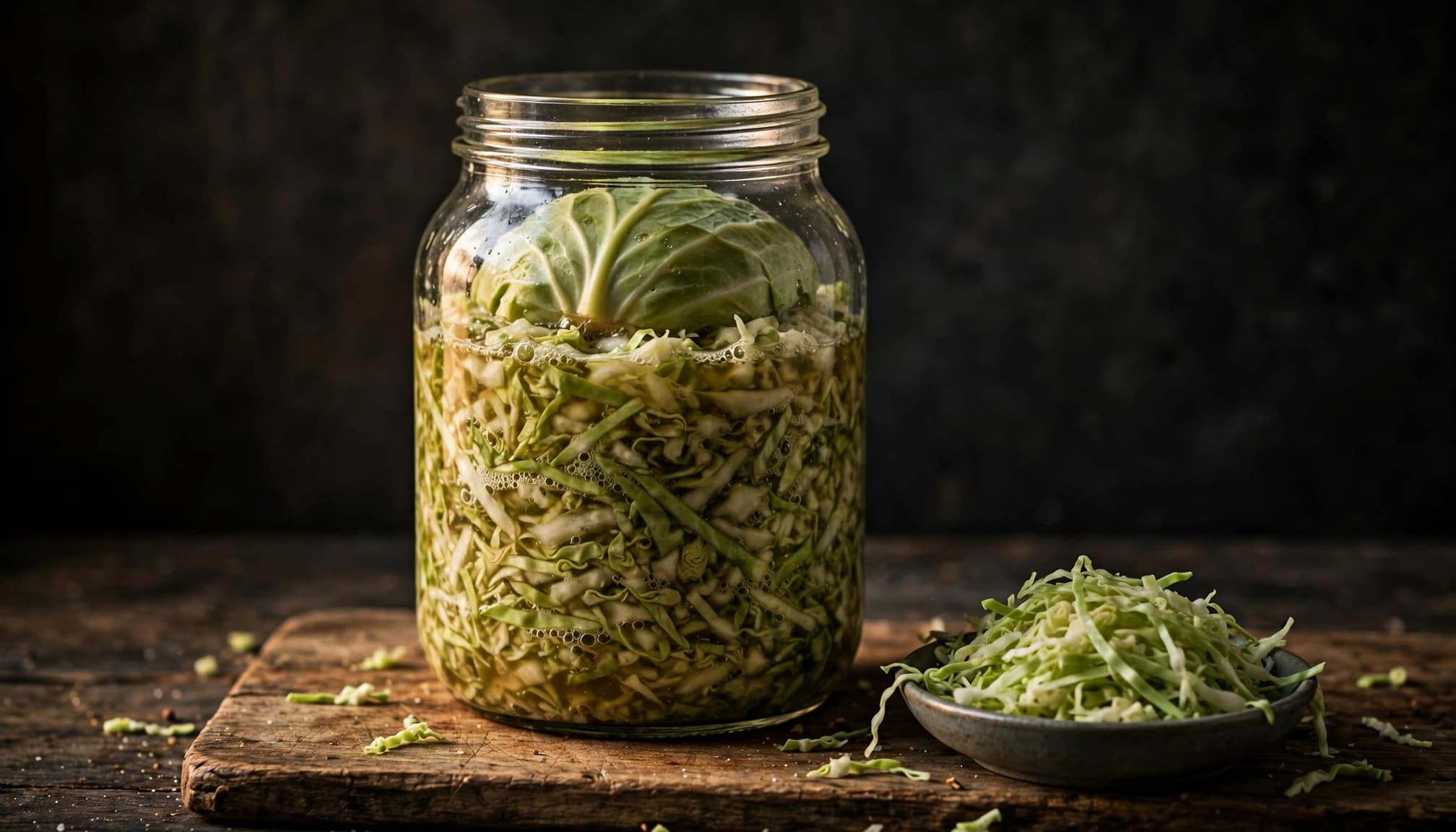
Remove any damaged outer leaves, then save one clean, unbroken leaf if you want to use it as a cover inside the jar. Core the cabbage and slice it into thin ribbons with a sharp knife, mandoline, or food processor blade.
Weigh the shredded cabbage, then calculate salt at 2 grams for every 100 grams of cabbage. Add both to a large bowl. Mix well and wait five to 10 minutes if the cabbage feels dry.
Next, massage and squeeze the cabbage with clean hands. Continue until the ribbons soften, shrink, and release a noticeable pool of liquid. That liquid becomes the brine.
Caraway gives a traditional flavor, but the basic batch needs only cabbage and salt. A few peppercorns, sliced garlic, or a little chili can work well too.
Pack the Jar So Every Piece Stays Under Brine
Add cabbage to the jar in small handfuls. Press firmly after each addition with a clean spoon, tamper, or fist to remove trapped air and bring brine to the surface.
Leave about 1 inch of headspace at the top. Place the reserved cabbage leaf over the shredded cabbage, then add a fermentation weight. The brine should cover everything.
Exposed cabbage has more contact with air, which raises the chance of surface growth. Cover the jar with a fermentation lid, airlock, or a regular lid set on loosely enough for gas to escape. Set the jar on a rimmed plate before leaving it on the counter.
How Long Fermented Cabbage Takes and What to Expect
At 64 to 72 degrees F, a small jar usually develops a bright, tangy flavor in about two to four weeks. Warmer rooms move faster, while cooler rooms take longer. A kitchen below about 60 degrees F may need five or six weeks.
Check the jar daily during the first few days. Press any floating cabbage back below the brine and wipe up overflow around the rim. Once the cabbage smells sour, begin tasting it every few days with a clean fork.
Flavor decides the finish line. Some people prefer a lightly tart cabbage after two weeks, while others wait for a deeper sourness and softer texture. The University of Alaska Fairbanks sauerkraut guidance also notes that cooler fermentation conditions extend the process.
Healthy Fermentation Signs to Look For
Bubbles rising through the jar are normal, especially early on. The brine may turn cloudy, and the cabbage will become softer as it ferments.
A clean sour aroma is a good sign. Finished cabbage should taste pleasantly tangy, salty, and fresh rather than harsh or rotten.
A thin, flat white film can sometimes be surface yeast. Handle it carefully and do not confuse it with fuzzy mold. If you are uncertain about what you see or smell, discard the batch rather than tasting it. Keep pressing the cabbage below the brine if it rises.
When to Discard the Batch
Discard the entire jar if you find fuzzy green, blue, black, pink, or orange mold. A rotten, putrid odor is another clear warning sign.
Do not try to save a batch with widespread mold by scraping the top away. Slimy or ropy brine, an unpleasant flavor, or cabbage that has turned mushy can also point to spoilage.
Clean equipment, adequate salt, and full submersion reduce risk, but they do not make every questionable jar safe to eat.
Trust your senses when something looks or smells clearly wrong.
Troubleshoot Common Problems Before They Ruin the Jar
If the cabbage does not release enough brine after thorough massaging, wait another 20 to 30 minutes and press it again. Fresh cabbage usually produces enough liquid when it is sliced thinly and packed firmly.
Cabbage that keeps floating needs more pressure. Add a fermentation weight, place a clean cabbage leaf beneath it, and check the jar each day. Do not casually reduce the salt because salt helps pull water from the cabbage and supports the desired fermentation conditions.
A batch that tastes too salty can still be useful. Serve smaller portions beside unsalted potatoes, eggs, rice, roasted vegetables, or rich meat instead of rinsing away its character.
Overflow is common during the most active days. Keep the jar on a plate, loosen a standard lid slightly, and avoid filling the jar too close to the top.
Why the Brine Level and Temperature Matter
Salt draws water from the cabbage and creates the brine that protects the shredded vegetables from air. Colorado State University Extension explains salt’s role in sauerkraut, including its effect on moisture release and undesirable microbial growth.
Keep the jar at 18 to 22 degrees C, or 64 to 72 degrees F, when possible. Fermentation slows in a cool room and speeds up in a warm one, so do not force the process with extra heat.
Place the jar away from direct sunlight. A shaded kitchen counter or cupboard that you can inspect easily is a better spot.
How to Store Fermented Cabbage for Months
Move the finished cabbage to the refrigerator when it reaches your preferred sourness. Tighten the lid, keep the cabbage below the brine whenever possible, and use a clean utensil each time you serve it.
Cold storage slows fermentation and helps the cabbage keep more of its texture. Properly stored sauerkraut-style cabbage can last for several months in the refrigerator.
Still, inspect it before eating. Discard it if you notice mold, a rotten smell, slimy brine, or any other obvious sign that it has spoiled.
Serve This Tangy Cabbage With More Than Sausages
Fermented cabbage has enough acidity to cut through rich, salty, and fatty foods. Serve it cold beside roasted chicken, pork chops, sausages, burgers, or buttery potatoes.
It also works with fried eggs, grilled cheese sandwiches, grain bowls, roasted mushrooms, and weeknight rice dishes. Add a forkful at the table, or stir it into warm food right before serving.
Strong heat can soften its crisp bite. Gentle warming is fine, but the cabbage tastes freshest when it stays cool or only briefly touches hot food.

Pair It With Bright, Savory Flavors
Apple adds a mild sweetness that works especially well with caraway-seasoned cabbage. Mustard, dill, black pepper, and olive oil also suit its sharp flavor.
Try it on a sandwich with roast turkey and mustard, or spoon it over crispy potatoes with a little olive oil. Its acidity creates a welcome contrast beside rich dinners and simple comfort food.
Easy Ways to Adjust the Flavor
Change future batches without changing the core salt ratio. Red cabbage adds color, caraway brings a familiar savory note, and a small amount of shredded carrot softens the flavor with natural sweetness.
Sliced onion adds depth, while chili gives the cabbage heat. Use modest amounts so the jar remains easy to pack and the cabbage remains the main ingredient.
Always weigh the cabbage before calculating salt. Then pack the finished mix firmly and keep every ingredient beneath the brine.
A Small Jar Makes a Big Difference at Dinner
Good fermented cabbage comes down to a few repeatable steps: weigh the cabbage, add about 2% salt, massage it until brine forms, and pack it tightly beneath the liquid. Moderate room temperature and regular checks will guide the jar toward a clean, sour finish.
Start with one small batch and note the temperature, timing, and flavor you prefer. Soon, homemade fermented cabbage can become an easy side for rich dinners, hearty sandwiches, and everyday bowls.
-

 Manchester United9 months ago
BREAKING NEWS: “I didn’t leave Manchester United because of Ruben Amorim. I left because of this particular player. The way he treated me in the dressing room was unacceptable. If I’m to return, then he has to leave.”
-
Manchester United9 months ago
BREAKING NEWS: “WE WERE TOO HARSH ON HIM” — SIR ALEX FERGUSON URGES MANCHESTER UNITED TO BRING BACK OLE GUNNAR SOLSKJÆR TO OLD TRAFFORD.
-

 Barcelona1 year ago
Breaking News: Anfield is buzzing with excitement! Raphinha has reached a personal agreement with Liverpool. Barcelona is reportedly willing to let him go, and in a recent interview, Raphinha hinted at his admiration for the incoming manager, saying, “If Arne Slot calls, you pick up.”
-

 Premier League1 year ago
Xavi Hernandez has officially signed a three-year contract to become the new head coach of a Premier League club, stepping in after the departure of the previous manager
-
 Real Madrid1 year ago
Jurgen Klopp Reveals Why He Accepted Real Madrid’s Offer to Replace Carlo Ancelotti
-
Liverpool1 year ago
Despite the heartbreak caused by Diogo Jota’s tragic accident, Liverpool FC has brought a glimmer of hope to his grieving family — especially his wife and the three beautiful kids he left behind
-

 Manchester United2 years ago
I’m not suppose to be doing this but as A captain it pains me to see such a great player with potential leave our club,I shed tears when the INEOS announced His departure,this very unfair of Him”, Bruno Fernandez broke down in tears as INEOS confirmed another Man united player departure by the summer
-
Manchester United1 year ago
BREAKING NEWS: Lisandro Martinez spotted in Man United training yesterday as Club doctor confirmed Him fit to start against Lyon – Congratulations Man United fans